
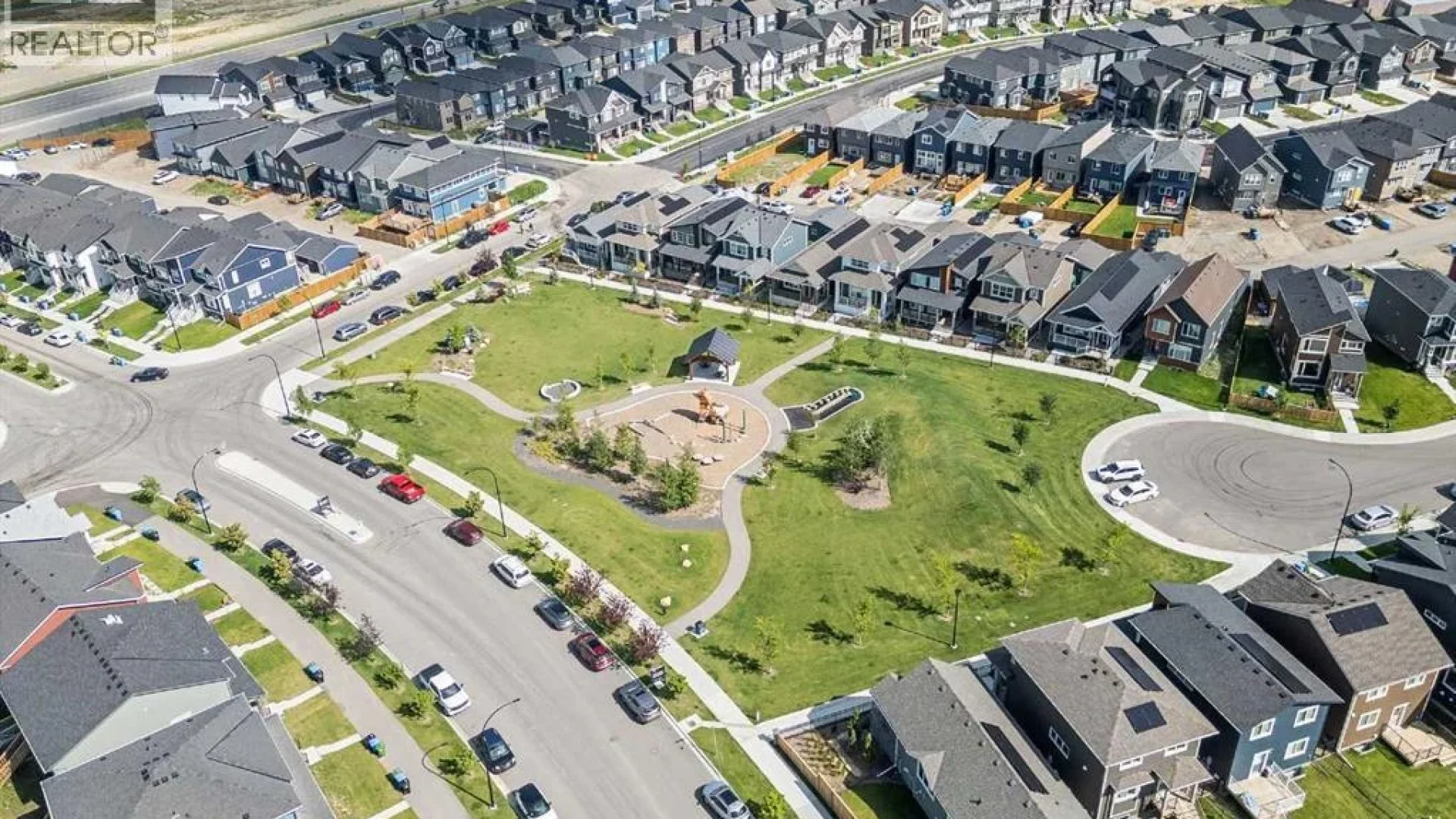
1 in 10 Calgary new homes sits on a foundation we built. Here’s how we know.
That isn’t a marketing line. It’s a calculation we can defend two ways — using either the broader low-rise residential denominator (single-detached + semi-detached + duplex) or the single-detached-only denominator. Both numbers are public. Both come from sources you can verify in under five minutes. And both put a single Calgary cribbing contractor at the foundation of roughly 1 in every 10 new homes in this city.
This piece walks through the math, the four-year trend, the 24 communities, and what it actually means for buyers, builders, and the people who design and inspect Calgary’s residential foundations.
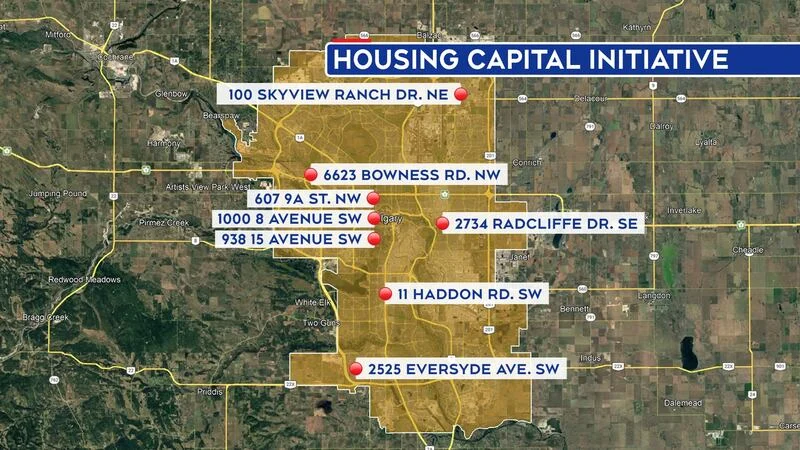
The math (calculation + sources)
We poured 912 single-family Omega foundations in 2024 — the figure comes from our own Fieldwire records, which track every single-detached, semi-detached, and duplex project our crews complete from hole-ready through wall-stripped.
The City of Calgary Q4 2024 Housing Review reports the following 2024 housing-start volumes for the Calgary CMA in those same categories:
- Single-detached: 5,179
- Semi-detached: 1,746
- Duplex: 1,829
- Total low-rise residential (combined): 8,754
Divide:
912 ÷ 8,754 = **10.4%** = 1 in 9.6 ≈ **1 in 10**
That’s the defensible floor. And here’s the upper bound: if Omega’s 912 are predominantly single-detached (which most are, based on our own builder-mix records), the share against the single-detached denominator alone could be as high as 17.6% — that’s 1 in 6.
So the honest range is 1 in 10 to 1 in 6. We lead with 1 in 10 because it’s the conservative number we can prove against the broadest denominator without classification ambiguity. If a reporter or analyst wants to push us toward the 1-in-6 framing using the single-detached denominator, the data supports them. We’d rather under-claim the headline and let the methodology speak.
Calgary’s residential construction market continues to expand rapidly, with low-rise housing starts remaining one of the strongest growth categories in the region’s development pipeline, according to City of Calgary housing reports
The 4-year share trend
This isn’t a 2024 spike. It’s a four-year run that tracks Calgary’s housing boom:
| Year | Omega projects | Calgary CMA starts | Implied share |
| 2022 | 476 | 17,300 | ~2.8% |
| 2023 | 864 | 19,579 | ~4.4% |
| 2024 | 1,103 | 24,369 | ~4.5% |
| 2025 | 1,003 | 27,684 | ~3.6% |
Note on the math: the year-over-year denominators above use total Calgary CMA housing starts (CMHC December 2025), which include high-rise and apartment construction we don’t pour. The 1-in-10 figure uses the matched low-rise residential denominator from the City of Calgary Q4 2024 Housing Review — apples to apples. Both framings are defensible; we use the matched-denominator framing because it answers the actual question buyers ask.
What the trend shows: as Calgary’s residential construction more than doubled (17,300 starts in 2022 to 27,684 in 2025), our single-family project count followed the same curve. The growth wasn’t lucky timing. It was 36 years of builder relationships compounding into supply-chain trust.
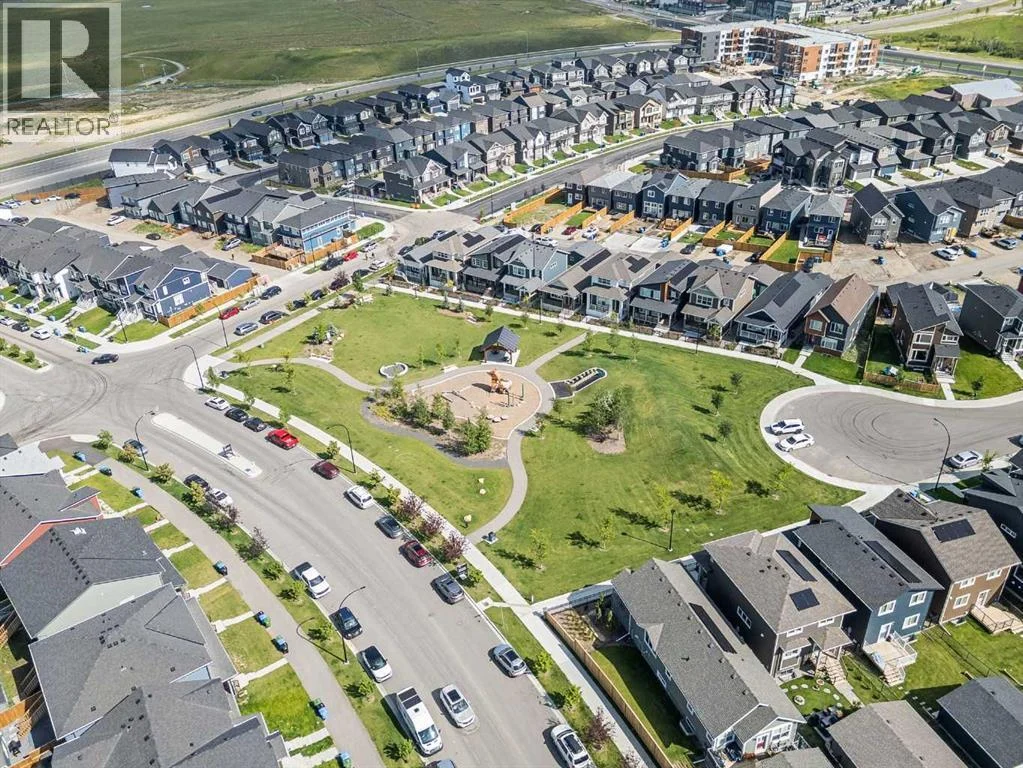
Why this happened (3 reasons)
1. 36 years of tenure (founded 1988)
Calgary’s residential construction industry has cycled hard since 1988 — through the late-80s downturn, the early-2000s boom, the 2008 correction, the 2014–16 oil shock, COVID, and the 2022–25 boom. We poured through every one of those cycles. Tenure is the simplest defensible signal of a foundation contractor’s reliability: if you’ve been on builder spec sheets across 36 years and three or four oil-cycle resets, you’re not a flash-in-the-pan operator.
2. 12+ named builder partnerships
Our 2024 project mix includes work for: Brookfield Residential, Sterling Homes, Mattamy Homes, Avalon Master Builder, Calbridge Homes, StreetSide Calgary, Homes by Avi, Jayman BUILT, Morrison Homes, Shane Homes, Trico Homes, NuVista / Augusta Homes — plus boutique custom builders (Maillot, Rockford), Habitat for Humanity Southern Alberta, and dozens of one-off custom builds for owner-builders and architect-led projects.
When you can point to 12+ active production-builder partnerships across every quadrant of Calgary CMA plus surrounding markets, “1 in 10” stops looking like a stat and starts looking like a logical consequence of where the volume actually goes.
3. Three coordinated crews (South Field / North Field / Service)
Foundation work scales on crew, not equipment. We run three coordinated crews — South Field, North Field, and Service — across the full Omega 2000 cribbing operation. The structure is what lets us peak at 8–15 footings per day and 6–12 walls per day across simultaneous Calgary projects without dropping spec compliance or schedule. A homeowner buying in Seton, a custom builder building in Bearspaw, and a multi-family GC pouring in Cornerstone — they’re all served by overlapping crew capacity that took three decades to build.
The map: 24 communities visualized
Across our 3,762+ named project addresses (the figure jumps to 4,538 when you include all Fieldwire-tracked tasks across our broader project portfolio), we’ve poured in 24 distinct Calgary-area communities. The five highest-volume communities by Omega foundation count:
- Seton (225 foundations) — Brookfield’s flagship SE community
- Chinook Gate Airdrie (207 foundations) — Brookfield’s surrounding-market anchor
- Belmont (196 foundations) — SW Calgary growth corridor
- Lewiston / Glacier Ridge (189 foundations) — NW Calgary’s emerging master-plan
- Pine Creek (188 foundations) — SW Calgary expansion
The full map visualizes every named address, filterable by builder, year, or quadrant. It is — to our knowledge — the largest publicly disclosed first-party residential foundation project record in the Calgary CMA.
What “1 in 10” means for buyers and builders
For buyers
If you’re buying a new low-rise residential home in Calgary CMA in 2024–25, there’s roughly a 1-in-10 chance the foundation under your home was poured by Omega 2000. If you’re buying single-detached specifically — and most buyers are — that probability rises as high as 1-in-6.
What that means practically: there’s a meaningful chance our crew touched your home before any other trade did. The foundation work is invisible by the time you walk through it, but it’s the load-bearing element every other trade builds on top of.
For builders
A 1-in-10 share isn’t a marketing claim — it’s a supply-chain reality. When a foundation contractor is pouring at that share across 12+ named partners, it means production-throughput consistency, spec-compliance consistency, and inspector-relationship continuity that compound over years. New builders entering the Calgary market routinely ask which crews “actually deliver.” This is one quantifiable answer.
For inspectors and engineers
3,762+ named addresses across 24 communities, all spec-compliant under CSA A23.1:24 with HS sulphate-resistant cement (the Calgary mandatory standard for the city’s S-2 sulphate exposure class). Our project record includes the full Fieldwire-task documentation per pour: footing pour date, wall pour date, strip date, completion date. That documentation is the audit trail engineers and inspectors look for when validating a contractor’s spec-compliance history.
FAQ
Q: How does Omega calculate “1 in 10”?
We divide our 2024 single-family project count (912, from Fieldwire records) by the City of Calgary Q4 2024 Housing Review’s combined low-rise residential start count (8,754 = 5,179 single-detached + 1,746 semi-detached + 1,829 duplex). Result: 10.4% = 1 in 9.6. We use the broader low-rise denominator because Omega’s project records don’t sub-classify within that category — apples to apples.
Q: Does “1 in 10” include townhomes or multi-family?
No. The 1-in-10 figure covers the single-detached + semi-detached + duplex category. Townhome and multi-family foundations are tracked in our records but excluded from this stat because the City of Calgary reports them in a separate housing-type category.
Q: Is this only 2024?
The 1-in-10 figure is calibrated to 2024 data because that’s the most complete year for both numerator (our project count) and denominator (the City’s published Housing Review). The four-year trend (2022–2025) shows a similar pattern: as Calgary’s residential market grew, our share grew alongside it.
Q: What’s Omega’s market share for 2025?
2025 is still calculating against partial-year denominators. Our 2025 single-family project count was 1,003 — close to the 2024 record. The implied share against 2025 Calgary CMA total starts (27,684, including non-low-rise) is roughly 3.6%; against the matched low-rise denominator it’s expected to land near or above 1 in 10 once the City publishes the full 2025 Housing Review.
Q: How many builders does Omega work with?
12+ named production-builder partnerships, plus Habitat for Humanity Southern Alberta charity builds, plus dozens of custom-builder partnerships and one-off architect-led / owner-builder projects per year.
Closing — the human story
Numbers don’t pour foundations. People do.
our operational leads — and the rest of the Omega 2000 cribbing crew across South Field, North Field, and Service — pour Calgary’s foundations at the cadence the 1-in-10 figure implies. They’ve been doing it for years. Many of them have been with the company through more than one Calgary housing cycle. They know which sub-bases need extra prep before footing day. They know which inspectors prefer which inspection windows. They know which builders run a tight schedule and which need an extra day on cold-weather pours.
The 1-in-10 share is the math. The reason it holds is the team behind it.
CTA
Calgary’s Residential Growth Starts Below Ground
From Seton and Belmont to Chinook Gate and Glacier Ridge, Omega 2000 foundations support thousands of Calgary-area homes every year.
With 36 years of cribbing experience, coordinated field crews, volumetric concrete supply, and new precast capabilities, Omega 2000 delivers foundation systems built for Calgary’s climate and construction pace.
Talk to Omega 2000:
📞 403-217-4888
📧 info@omega2000.ca
Last updated: May 2026 | Methodology: 1-in-10 = 912 ÷ 8,754 (Omega Fieldwire 2024 ÷ City of Calgary Q4 2024 Housing Review combined low-rise residential). Defensible range: 1-in-10 (low-rise denominator) to 1-in-6 (single-detached only). We lead with the conservative figure.