
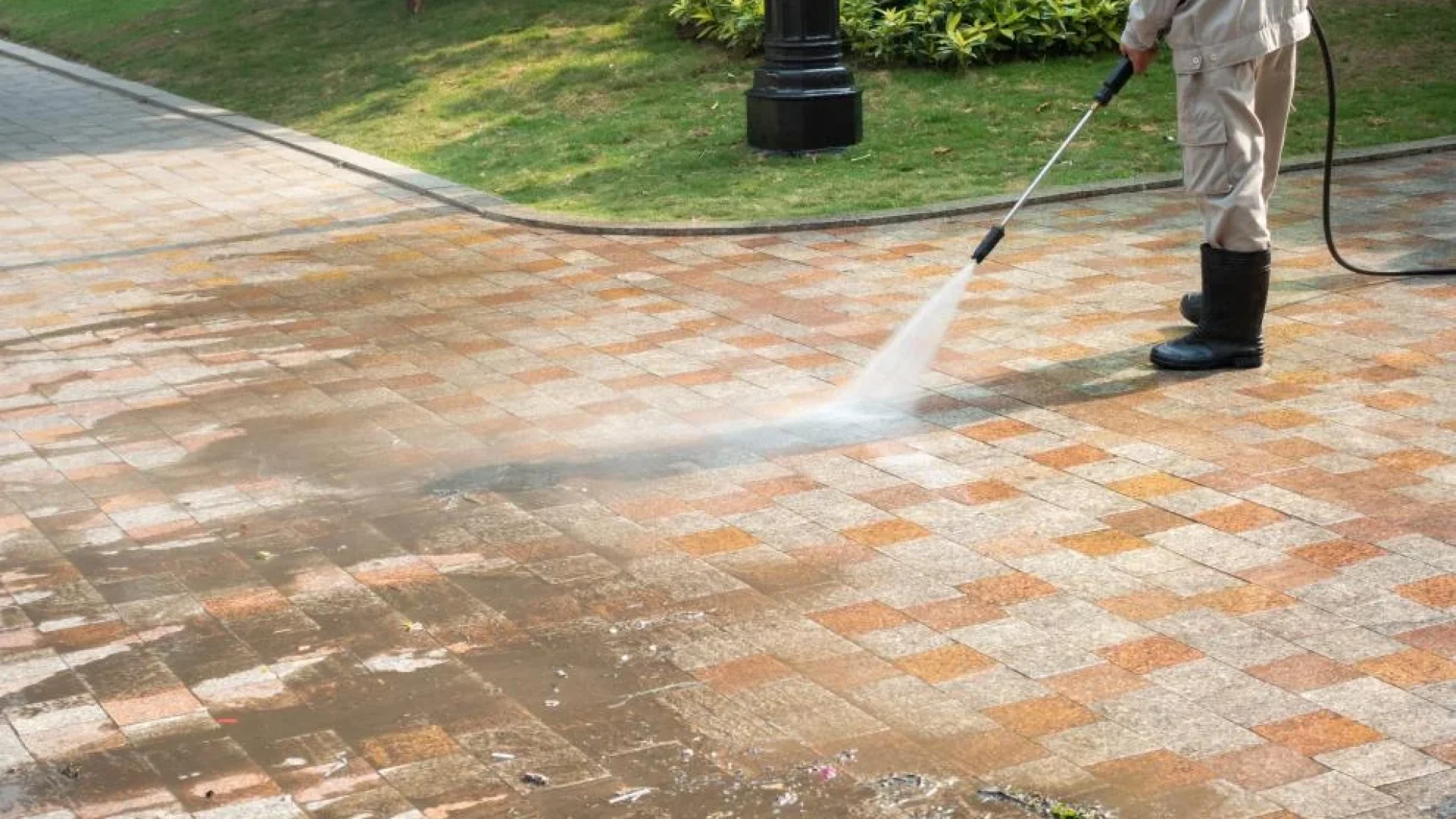
Concrete is one of the most durable building materials available—but even the toughest surfaces don’t stay clean forever. Driveways darken, patios grow slippery with algae, and garage floors collect stubborn oil stains. For homeowners and property managers in Calgary, where concrete is exposed to freeze-thaw cycles, road salts, and heavy use, knowing how to clean concrete surfaces properly is essential.
The challenge? Cleaning concrete isn’t as simple as blasting it with water or pouring on chemicals. The wrong method can permanently damage the surface, strip protective sealers, or shorten the lifespan of your concrete. Drawing on over 35 years of real-world experience as full-service concrete contractors in Calgary, this guide breaks down the safest and most effective ways to clean concrete using pressure washing and chemical methods—so you can get results without costly mistakes.
Why Concrete Gets Dirty (And Why Cleaning Matters)
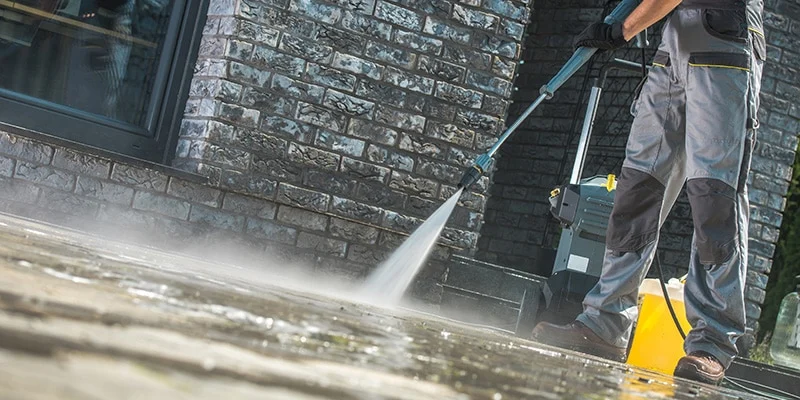
At first glance, concrete looks solid and non-porous. In reality, it’s a highly porous material filled with microscopic capillaries that absorb water, oils, and contaminants over time. This is why concrete driveways darken, patios stain, and walkways develop patches of discoloration.
In Alberta, environmental factors accelerate this process. Freeze-thaw cycles cause micro-cracks, allowing moisture and dirt to penetrate deeper. De-icing salts track onto surfaces in winter, while spring meltwater carries grime and minerals into the concrete. Left untreated, what starts as cosmetic staining can evolve into surface scaling, spalling, or premature deterioration.
Regular cleaning isn’t just about curb appeal. Proper concrete maintenance can:
- Extend the service life of concrete surfaces
- Prevent slip hazards caused by algae or mildew
- Reveal early signs of structural damage
- Prepare surfaces for sealing or repairs
According to the American Concrete Institute, surface contamination and moisture intrusion are among the leading contributors to premature concrete degradation in cold climates. Cleaning, when done correctly, plays a key role in long-term performance.
Proper drainage around concrete is just as important as how deep footings should be in Calgary, since moisture buildup accelerates surface deterioration.
Understanding Concrete Surface Types Before Cleaning
Before choosing a cleaning method, it’s critical to understand what type of concrete you’re working with. Different finishes respond very differently to pressure and chemicals, and a one-size-fits-all approach can cause irreversible damage.
Broom-Finished and Plain Concrete
Broom-finished concrete is the most common surface found in residential driveways, sidewalks, and garage floors. The lightly textured finish provides traction and is generally durable enough to handle moderate pressure washing.
That said, excessive pressure or aggressive chemicals can still etch the surface, leaving visible lines or rough patches. Older broom-finished slabs, especially those with surface wear, require extra caution.
Stamped Concrete
Stamped concrete is a decorative surface designed to mimic stone, brick, or tile. Its appearance depends heavily on surface color, texture, and protective sealers.
High-pressure washing or harsh chemicals can strip sealers, fade color, and expose the underlying concrete. Once damaged, stamped concrete is difficult and expensive to restore, which is why gentle cleaning methods are strongly recommended.
Exposed Aggregate Concrete
Exposed aggregate surfaces feature decorative stones revealed at the surface. While visually striking, these stones can loosen if subjected to excessive pressure or improper chemical use.
Cleaning exposed aggregate requires controlled pressure and careful rinsing to avoid dislodging aggregate or weakening the cement paste holding it in place.
Older vs. New Concrete
Concrete continues to cure long after it looks “finished.” New concrete should never be pressure washed aggressively, as the surface may not have reached full strength. Industry best practice is to wait at least 28 days before applying any significant cleaning force.
Older concrete, especially slabs that have never been sealed, may be more porous and vulnerable. These surfaces benefit from lower-pressure cleaning and targeted stain treatment rather than brute force.
Excessive water near exterior slabs can eventually impact different basement foundation types, especially older poured concrete foundations common in Calgary.
Pressure Washing Concrete: When and How to Use It Safely
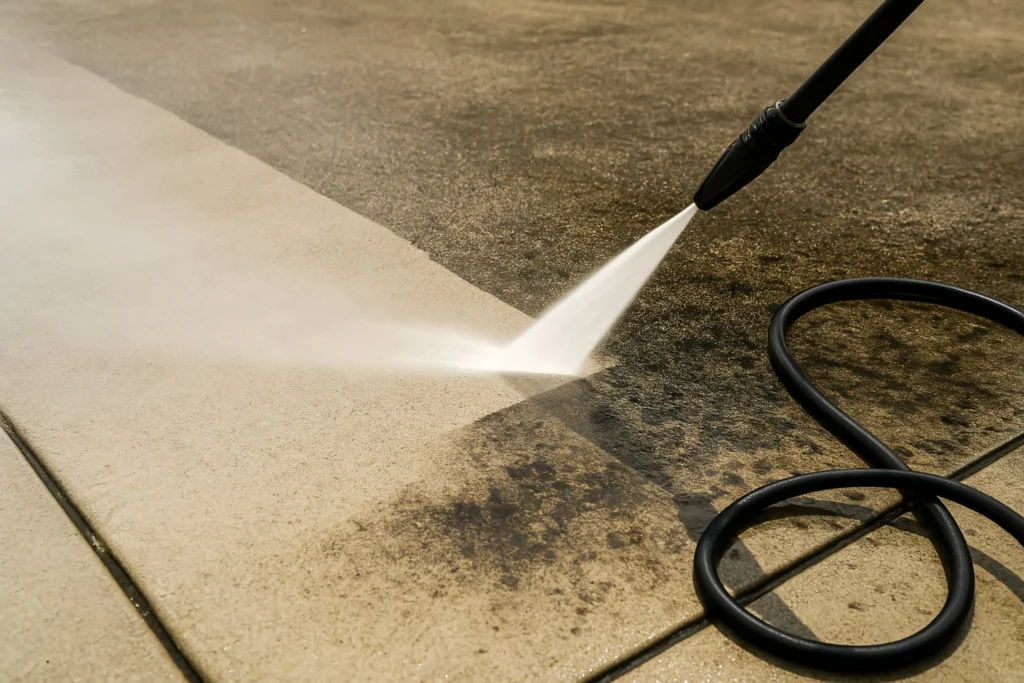
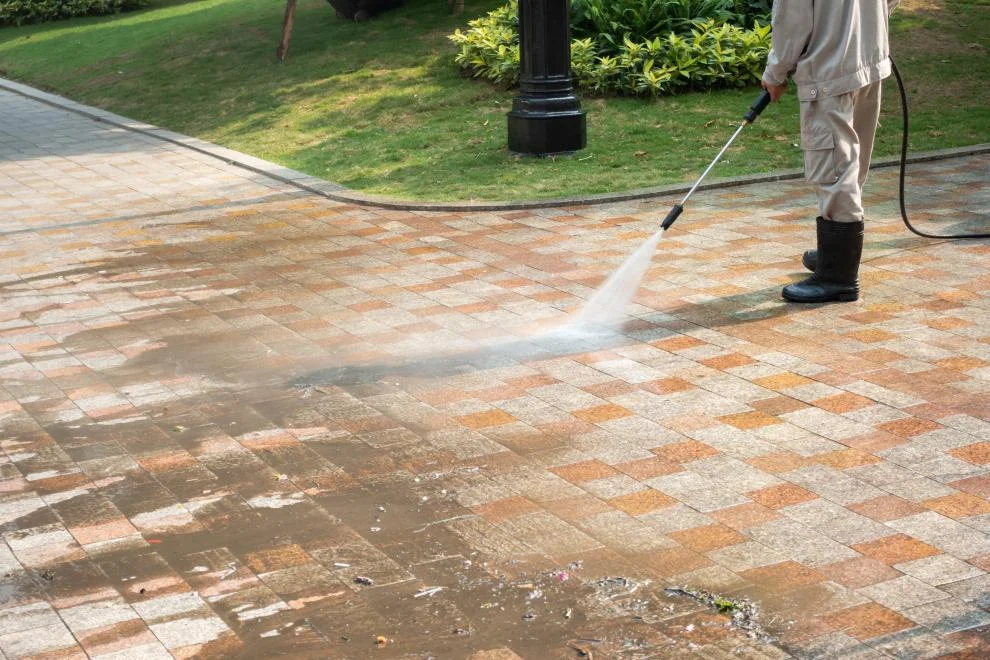
Pressure washing is one of the most popular methods for cleaning concrete—and for good reason. When used correctly, it’s fast, effective, and environmentally friendly. When used incorrectly, it can permanently damage your concrete.
What Is Pressure Washing?
Pressure washing uses high-pressure water to remove dirt, grime, mold, and surface contaminants. Machines are rated in PSI (pounds per square inch), which determines the force of the water hitting the surface.
For concrete, pressure washers typically fall into two categories:
- Cold water pressure washers – Best for dirt, dust, and organic growth
- Hot water pressure washers – More effective for grease and oil, commonly used in commercial settings
Ideal Pressure Levels for Concrete
One of the biggest misconceptions is that higher pressure equals better cleaning. In reality, too much pressure can etch concrete, leaving permanent swirl marks or grooves.
As a general guideline:
- Residential flatwork: 2,500–3,000 PSI
- Decorative or older concrete: 1,500–2,500 PSI
- Stamped or sealed concrete: lowest effective pressure with wide-angle nozzles
Professional contractors rely on experience, not just PSI ratings, adjusting distance, angle, and nozzle type to match the surface condition.
How to Pressure Wash Concrete Properly
Effective pressure washing is a controlled process, not a rushed one. Skipping steps often leads to uneven results or damage.
Step 1: Inspect the Surface
Look for cracks, flaking, or exposed aggregate. These areas should be avoided or cleaned at very low pressure to prevent worsening existing damage.
Step 2: Remove Loose Debris
Sweep away dirt, sand, and leaves before washing. This prevents debris from acting like sandpaper under high pressure.
Step 3: Choose the Right Nozzle
A 25- or 40-degree nozzle provides effective cleaning while minimizing surface damage. Narrow nozzles should never be used on decorative concrete.
Step 4: Use Proper Technique
Maintain consistent distance from the surface and keep the wand moving in overlapping passes. Holding the spray too close or lingering in one spot is a common cause of etching.
Step 5: Rinse Thoroughly
Ensure all loosened dirt and residue is fully rinsed away to prevent streaking or redepositing contaminants.
Common Pressure Washing Mistakes
Based on decades of field experience, the most common errors include:
- Using excessive pressure that scars the concrete
- Removing protective sealers unintentionally
- Forcing water into cracks, accelerating freeze-thaw damage
- Attempting to remove oil stains with water alone
Pressure washing is an excellent first step—but it’s not always the complete solution, especially for deep or chemical-based stains.
Chemical Concrete Cleaning Methods Explained
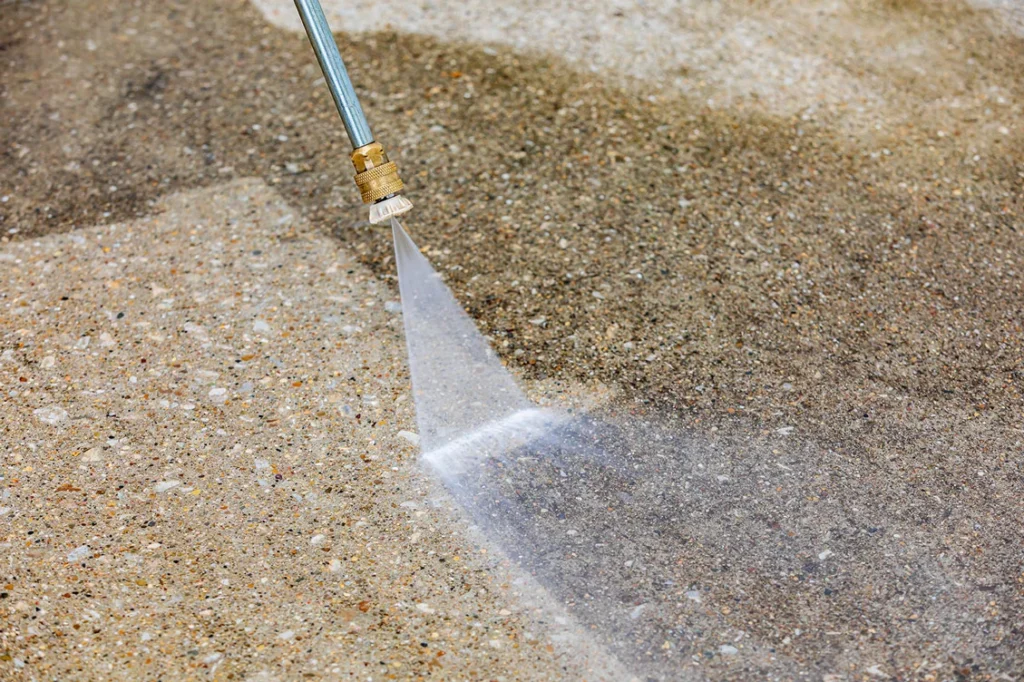
When pressure washing alone isn’t enough, chemical cleaning methods provide targeted stain removal. Used correctly, these products can lift oil, rust, and organic staining that water cannot.
In the second half of this guide, we’ll explore chemical cleaners in detail, compare pressure washing versus chemical methods side by side, and explain when it’s time to call a professional concrete contractor.
When Chemical Cleaning Is Better Than Pressure Washing
Not all concrete stains are created equal. While pressure washing is effective for surface-level dirt and organic growth, many stains penetrate deep into the concrete’s pores and require chemical treatment to break them down.
Chemical concrete cleaning is especially effective for:
- Oil and grease stains from vehicles or equipment
- Rust stains caused by metal furniture, fertilizers, or well water
- Mold, algae, and mildew growth in shaded or damp areas
- Mineral deposits and efflorescence
In many professional applications, chemical cleaning and pressure washing are used together—chemicals loosen or dissolve the stain, and controlled pressure rinses it away.
Types of Concrete Cleaning Chemicals
Choosing the correct chemical cleaner is critical. Using the wrong product can discolor concrete, weaken the surface, or pose safety risks.
Alkaline Cleaners
Alkaline cleaners are commonly used for oil, grease, and petroleum-based stains. These cleaners work by breaking down fats and oils so they can be rinsed away with water.
They are often the first choice for garage floors, driveways, and commercial concrete exposed to vehicles or machinery.
Acid-Based Cleaners
Acidic cleaners are effective for rust stains, mineral deposits, and efflorescence. They react chemically with the stain, dissolving it from the concrete surface.
Because acids can etch concrete and damage surrounding materials, they must be used carefully and always neutralized after application.
Enzymatic and Eco-Friendly Cleaners
Enzymatic cleaners use biological processes to break down organic stains like food spills, pet waste, or mildew. These products are slower acting but safer for surrounding landscaping and sealed or decorative concrete.
They are often preferred for residential patios, walkways, and environmentally sensitive areas.
How to Use Chemical Concrete Cleaners Safely
Regardless of the product used, safety and preparation are essential.
Step 1: Test First
Always test the cleaner in an inconspicuous area to ensure it doesn’t discolor or damage the concrete.
Step 2: Prepare the Surface
Remove loose debris and pre-wet the concrete. This prevents chemicals from soaking too deeply into dry concrete.
Step 3: Apply Evenly
Follow manufacturer instructions for dilution and application. Never mix cleaning chemicals.
Step 4: Allow Proper Dwell Time
Let the cleaner work, but do not allow it to dry on the surface.
Step 5: Rinse and Neutralize
Thoroughly rinse the area. Acid-based cleaners must be neutralized to prevent long-term damage.
Pressure Washing vs. Chemical Cleaning: Which Is Better?
The best way to clean concrete often depends on the type of contamination and the condition of the surface.
| Method | Best For | Advantages | Limitations |
|---|---|---|---|
| Pressure Washing | Dirt, dust, mildew | Fast, chemical-free, cost-effective | May damage surface if misused |
| Chemical Cleaning | Oil, rust, deep stains | Targeted stain removal | Requires proper handling and disposal |
For most properties, a combination of both methods delivers the best results.
How to Clean Different Concrete Areas Around Your Property
Cleaning Concrete Driveways
Driveways are exposed to vehicle fluids, road salts, and heavy wear. Oil stains often require alkaline cleaners, followed by low-to-moderate pressure washing.
Cleaning Concrete Patios and Walkways
These areas commonly develop algae or mildew, especially in shaded locations. Gentle pressure washing combined with eco-friendly cleaners helps restore appearance while minimizing slip hazards.
Cleaning Concrete Stairs and Entryways
Stairs require extra care due to safety concerns. Cleaning improves traction and visibility, especially before sealing.
Commercial and Industrial Concrete Cleaning
Commercial concrete often requires hot water pressure washing and professional-grade cleaners to address heavy contamination while meeting safety regulations.
When DIY Cleaning Isn’t Enough
Some issues go beyond cleaning. Persistent stains, surface scaling, or exposed aggregate may indicate deeper problems.
You should consider professional help if:
- Stains remain after multiple cleaning attempts
- The surface is flaking or crumbling
- Cracks are widening or retaining moisture
Professional concrete contractors can assess whether cleaning, repair, resurfacing, or replacement is the best long-term solution.
Why Sealing Concrete After Cleaning Matters
Cleaning opens the pores of concrete. Sealing afterward protects the surface from future staining, moisture intrusion, and freeze-thaw damage.
In Calgary’s climate, sealing is especially important for driveways, stairs, and exposed aggregate surfaces.
Expert Tips From Over 35 Years of Concrete Experience
One of the most common mistakes homeowners make is over-cleaning. Aggressive or frequent pressure washing can wear down concrete faster than normal use.
Our professional recommendations include:
- Clean concrete as needed, not on a fixed schedule
- Address oil and rust stains early
- Reseal concrete every few years, depending on exposure
Research on concrete performance in freeze–thaw environments highlights why improper cleaning can accelerate surface damage in cold climates like Alberta.
Frequently Asked Questions
Can pressure washing damage concrete?
Yes. Excessive pressure or improper technique can etch or weaken concrete.
What removes oil stains from concrete best?
Alkaline degreasers combined with gentle pressure washing are most effective.
How often should concrete be cleaned?
Most residential concrete benefits from cleaning every 1–3 years, depending on exposure.
Is bleach safe for concrete?
Bleach can discolor concrete and harm surrounding plants. Specialized cleaners are safer.
Should concrete be sealed after cleaning?
Yes. Sealing extends the life and appearance of concrete surfaces.
Conclusion: The Right Way to Clean Concrete Surfaces
Knowing how to clean concrete surfaces properly means understanding your concrete type, choosing the right method, and avoiding common mistakes. Pressure washing and chemical cleaning both have their place—and when used correctly, they can restore appearance and protect your investment.
Professional Concrete Cleaning and Care in Calgary
If you’re unsure which method is right for your concrete, or if cleaning reveals deeper issues, working with an experienced contractor makes all the difference.
Omega 2000 has over 35 years of experience providing concrete driveways, patios, walkways, stairs, stamped concrete, exposed aggregate, snow melting systems, and concrete repairs throughout Calgary.
Contact us today to discuss professional concrete cleaning, repairs, or long-term maintenance solutions tailored to Calgary’s demanding climate.