
Concrete driveways are built to be durable, but in many Canadian homes, homeowners begin to notice a troubling issue over time: the surface starts flaking, chipping, or peeling away. This problem, known as concrete driveway spalling, is more than just a cosmetic annoyance. Left untreated, it can compromise safety, reduce property value, and significantly shorten the lifespan of your driveway.
At Omega2000, with years of hands-on experience in precast concrete manufacturing across Canada, we regularly see how climate, material quality, and installation practices directly affect long-term concrete performance. In this in-depth guide, we’ll explain exactly what concrete driveway spalling is, why it happens, and how to identify it early—so you can make informed, cost-effective decisions before the damage worsens.
What Is Concrete Driveway Spalling?
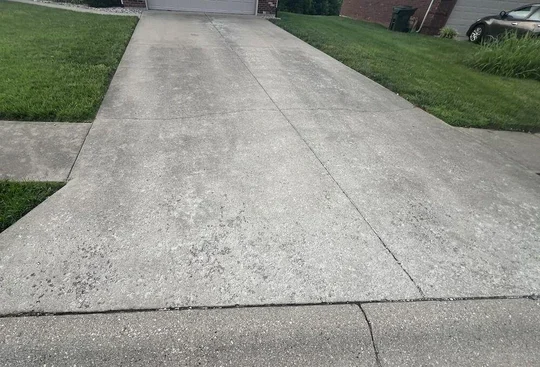
Concrete driveway spalling refers to the deterioration of the concrete surface where the top layer flakes, chips, or breaks away. Unlike deep structural cracking, spalling primarily affects the surface—but that doesn’t mean it’s harmless. Spalling exposes the concrete underneath to moisture, chemicals, and freeze-thaw cycles, accelerating further damage.
According to the American Concrete Institute (ACI), surface deterioration like spalling is one of the most common forms of concrete distress in cold climates due to repeated exposure to moisture and temperature fluctuations. This makes spalling especially relevant for Canadian homeowners.
What Does Spalling Look Like on a Concrete Driveway?
Spalling can appear gradually or seemingly overnight after a harsh winter. Common visual and physical signs include:
- Thin flakes or chips breaking off the surface
- Rough, pitted, or uneven textures
- Exposed aggregate (small stones becoming visible)
- Powdery concrete residue on the surface
In early stages, spalling may only affect isolated patches. Over time, however, these areas expand and merge, leading to widespread surface failure.
Spalling vs. Cracking vs. Scaling
Homeowners often confuse spalling with other forms of concrete damage. Understanding the difference is critical for choosing the right repair strategy.
| Type of Damage | Description | Primary Cause |
|---|---|---|
| Spalling | Surface flaking or chipping | Moisture, freeze-thaw cycles, poor mix |
| Cracking | Visible linear fractures | Soil movement, load stress |
| Scaling | Thin surface peeling over large areas | Improper finishing, de-icing salts |
While cracking may signal structural movement, spalling often indicates surface-level weaknesses that, if ignored, can evolve into more serious structural problems.
What Causes Concrete Driveway Spalling?
Concrete driveway spalling rarely has a single cause. In most cases, it results from a combination of environmental stress, material quality, and workmanship. Below are the most common and well-documented causes.
Freeze-Thaw Cycles in Canadian Weather
Freeze-thaw damage is the leading cause of concrete driveway spalling in Canada. When water penetrates the concrete surface and freezes, it expands by approximately 9%. This expansion creates internal pressure that weakens the surface layer.
Over repeated freeze-thaw cycles, the concrete can no longer withstand the stress, causing the surface to break apart. Regions with frequent temperature fluctuations around 0°C are particularly vulnerable.
“Concrete durability in cold climates depends heavily on air entrainment and low permeability,” — Portland Cement Association
Poor Concrete Mix or Improper Installation
Not all concrete is created equal. Spalling often starts at installation when the concrete mix contains:
- Too much water (high water-cement ratio)
- Insufficient air entrainment
- Low-quality aggregates or cement
Excess water weakens the concrete matrix, making it more porous and susceptible to moisture penetration. At Omega2000, our precast concrete is manufactured in controlled environments to ensure consistent strength, density, and durability—conditions that are difficult to achieve with on-site pours.
Use of De-Icing Salts and Harsh Chemicals
De-icing salts are a double-edged sword. While they improve winter safety, they significantly accelerate concrete surface deterioration. Chloride-based salts penetrate the concrete, attract moisture, and intensify freeze-thaw stress.
Studies have shown that concrete exposed to de-icing chemicals can experience surface scaling and spalling up to 40% faster than untreated concrete.
Surface Finishing and Curing Mistakes
Improper finishing practices—such as over-troweling or sealing the surface too early—can trap excess water and weaken the top layer of concrete. Likewise, insufficient curing time prevents the concrete from developing full strength.
Professional curing is especially important in colder regions, where temperature control plays a crucial role in concrete performance.
Heavy Loads and Repeated Mechanical Stress
Driveways are often subjected to loads they were never designed to handle, including heavy trucks, RVs, or construction equipment. Repeated stress can cause micro-damage to the surface, making it easier for moisture to infiltrate and trigger spalling.
This is why load-rated concrete solutions—such as engineered precast components—are increasingly preferred for long-term durability in residential and commercial applications.
In many cases, surface failure can be traced back to inadequate base support or improper concrete driveway thickness, which reduces the slab’s ability to handle long-term loading.
Early Warning Signs of Concrete Driveway Spalling
Identifying concrete driveway spalling early can make the difference between a simple repair and a full replacement. In our experience working with homeowners and contractors across Canada, spalling almost always gives warning signs before major surface failure occurs.
Identifying these early warning signs is essential if you want to extend the lifespan of your concrete driveway and avoid costly surface repairs or premature replacement.
Visual Indicators You Shouldn’t Ignore
The earliest signs of spalling are often subtle and easy to overlook, especially after winter. Pay close attention to:
- Small flakes or chips appearing near control joints
- Discoloration or light gray patches on the surface
- Fine surface dust forming after sweeping or rainfall
- Edges that appear brittle or crumbly
These visual cues indicate that the surface layer is weakening and losing its protective integrity.
Texture and Performance Changes
Beyond appearance, spalling also affects how the driveway performs:
- Surface feels rougher or uneven underfoot
- Water no longer drains smoothly and begins to pool
- Snow and ice bond more easily to damaged areas
Once these changes are noticeable, the rate of deterioration accelerates quickly—especially during freeze-thaw cycles.
Is Concrete Driveway Spalling Structural or Cosmetic?
One of the most common questions we hear is whether spalling is “just cosmetic.” The answer depends on severity and cause.
In early stages, spalling is typically a surface-level issue. However, surface damage compromises the concrete’s ability to repel moisture. Over time, this leads to deeper deterioration, reinforcing steel corrosion (if present), and structural weakening.
As a general guideline:
- Minor spalling: Mostly cosmetic, repairable
- Moderate spalling: Functional impact, needs professional repair
- Severe spalling: Structural risk, replacement often required
A professional evaluation is strongly recommended when spalling spreads rapidly or exposes aggregate across large areas.
How to Fix a Spalling Concrete Driveway
There is no one-size-fits-all fix for concrete driveway spalling. The correct solution depends on the extent of the damage, underlying causes, and long-term performance expectations.
Minor Spalling Repairs
When spalling is limited to small, shallow areas, repairs may include:
- Surface grinding to remove loose material
- Application of polymer-modified resurfacing compounds
- Protective penetrating sealers to block moisture
These repairs restore appearance and slow deterioration but require proper surface preparation to be effective.
Moderate Spalling Solutions
For larger affected areas, more robust methods are needed:
- Concrete overlays with bonding agents
- Partial surface replacement
- Improved drainage and slope correction
At this stage, addressing the root cause—such as moisture intrusion or poor original mix design—is essential to prevent recurrence.
Severe Spalling: When Replacement Is Necessary
If spalling is deep, widespread, or recurring, full replacement is often the most cost-effective long-term solution. While replacement has a higher upfront cost, it eliminates ongoing repair cycles and restores structural integrity.
For many commercial and high-load applications, precast concrete systems provide superior durability and faster installation timelines.
Preventing Concrete Driveway Spalling in the Future
Prevention is always more economical than repair. Long-lasting concrete performance depends on proper materials, installation, and maintenance.
Proper Concrete Mix Design
Durable concrete requires:
- Air-entrained concrete to absorb freeze-thaw expansion
- Low water-cement ratios to reduce permeability
- High-quality aggregates and cement
Precast manufacturing allows precise control over these variables, ensuring consistent strength and durability.
Professional Installation and Curing
Correct placement, finishing, and curing significantly impact long-term performance. Industry data shows that improper curing alone can reduce concrete strength by up to 50%.
Controlled curing environments—like those used in precast facilities—produce stronger, more uniform concrete than most site-poured applications.
Best-practice guidelines from the National Ready Mixed Concrete Association highlight how improper curing alone can dramatically reduce concrete strength and surface durability.
Sealing and Ongoing Maintenance
Routine maintenance extends driveway lifespan:
- Apply penetrating sealers every 2–3 years
- Avoid harsh de-icing salts when possible
- Promptly repair small surface defects
Climate durability is a major consideration when choosing materials, which is why many homeowners compare concrete vs asphalt driveway performance in freeze-thaw environments.
Canada’s extreme temperature fluctuations place significant stress on concrete surfaces, as outlined by Natural Resources Canada in its research on building material durability.
Why Precast Concrete Offers Superior Resistance to Spalling
Precast concrete is engineered for performance, making it an excellent solution for harsh Canadian climates.
Controlled Manufacturing Environment
Unlike site-poured concrete, precast components are produced under controlled conditions that optimize:
- Mix consistency
- Temperature and humidity
- Curing duration
Enhanced Strength and Durability
Precast concrete typically exhibits lower permeability, higher compressive strength, and superior freeze-thaw resistance—all critical factors in preventing spalling.
Why Omega2000 Precast Solutions Are Built for Canada
At Omega2000, we manufacture precast concrete solutions designed specifically for Canadian environments. With modern equipment, experienced professionals, and nationwide service coverage, we deliver durable, reliable concrete products that stand the test of time.
Frequently Asked Questions About Concrete Driveway Spalling
Can spalling concrete be repaired permanently?
Yes—if addressed early and repaired correctly. Severe or recurring spalling may require replacement for a permanent solution.
How long does a repaired driveway last?
Properly repaired and sealed surfaces can last 5–15 years, depending on climate and maintenance.
Does sealing prevent spalling completely?
Sealing significantly reduces moisture intrusion but must be combined with proper concrete quality and installation.
Is spalling more common in Canada?
Yes. Frequent freeze-thaw cycles and winter de-icing practices increase spalling risk in Canadian regions.
Final Thoughts: Protecting Your Concrete Driveway Investment
Concrete driveway spalling is a common but preventable issue. Understanding its causes, recognizing early warning signs, and choosing the right repair or replacement strategy can save thousands of dollars over time.
High-quality materials, professional installation, and proactive maintenance are essential—and for demanding environments, precast concrete provides unmatched durability.
Talk to a Concrete Expert Today
If your driveway is showing signs of spalling or you’re planning a new concrete project, our team at Omega2000 is here to help. We provide professional precast concrete manufacturing services across Canada, delivering durable solutions backed by expertise and modern technology.
Contact Omega2000 to discuss your project and protect your concrete investment for decades to come.