
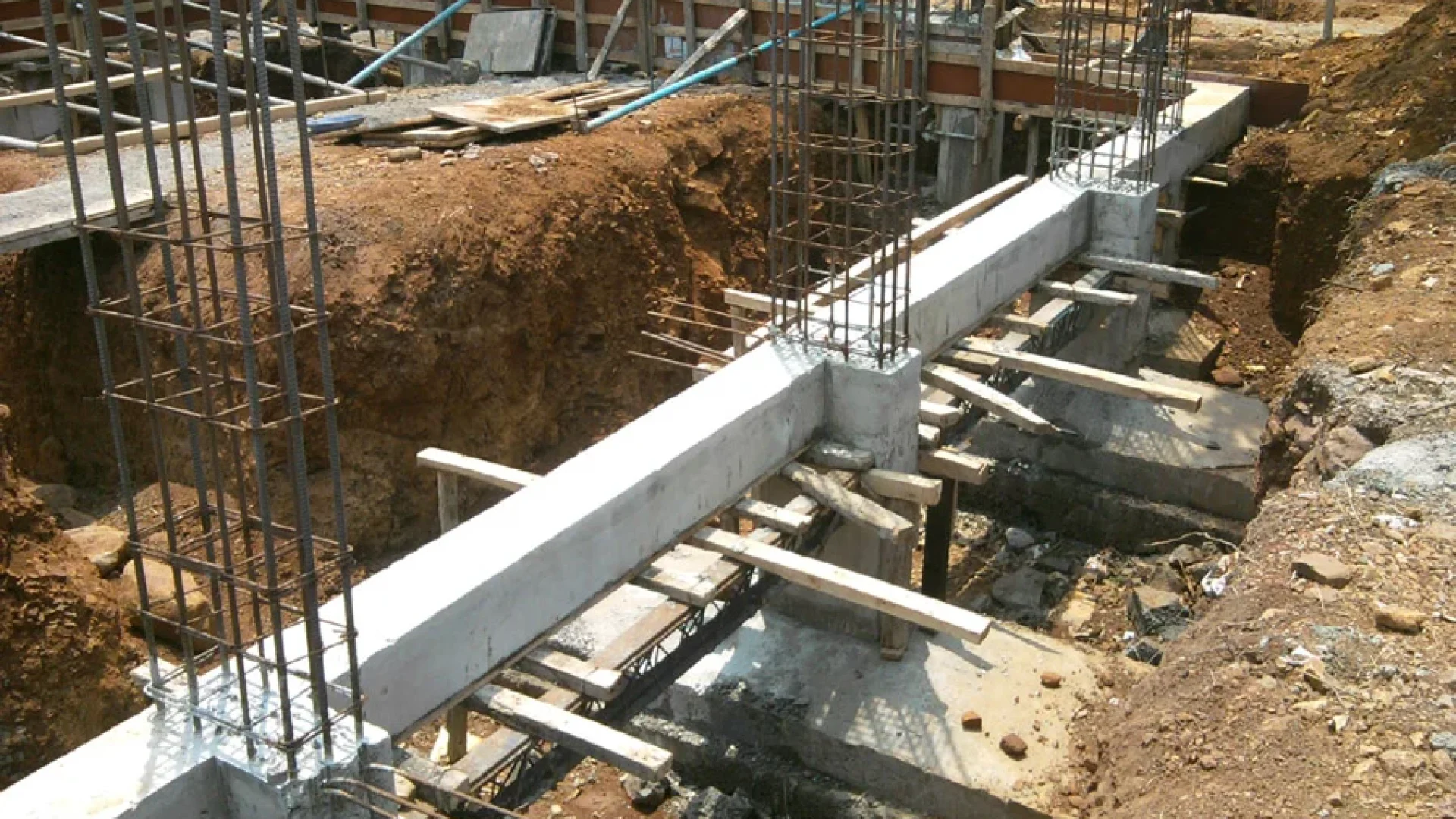
If you’re building a home, garage, deck, or commercial structure in Calgary, one of the most critical — and often misunderstood — questions is: how deep should footings be? In a climate defined by extreme freeze-thaw cycles, footing depth is not just a technical detail; it’s the foundation of your building’s long-term performance.
Footings that are too shallow can lead to frost heave, cracked concrete, shifting foundations, and costly structural repairs. Unfortunately, many failures we see across Calgary can be traced back to one root cause: footings that don’t meet local code or soil conditions.
This guide explains Calgary’s footing depth requirements in plain language, based on the Alberta Building Code and decades of real-world construction experience. Whether you’re a homeowner planning a project or a builder looking to verify best practices, this article will give you the clarity you need to build it right the first time.
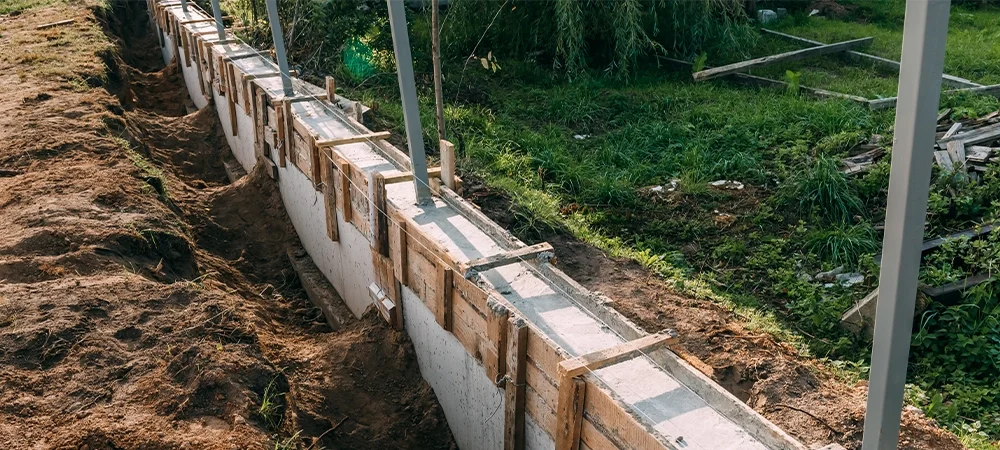
What Are Concrete Footings and Why Are They Critical?
What Is a Footing in Construction?
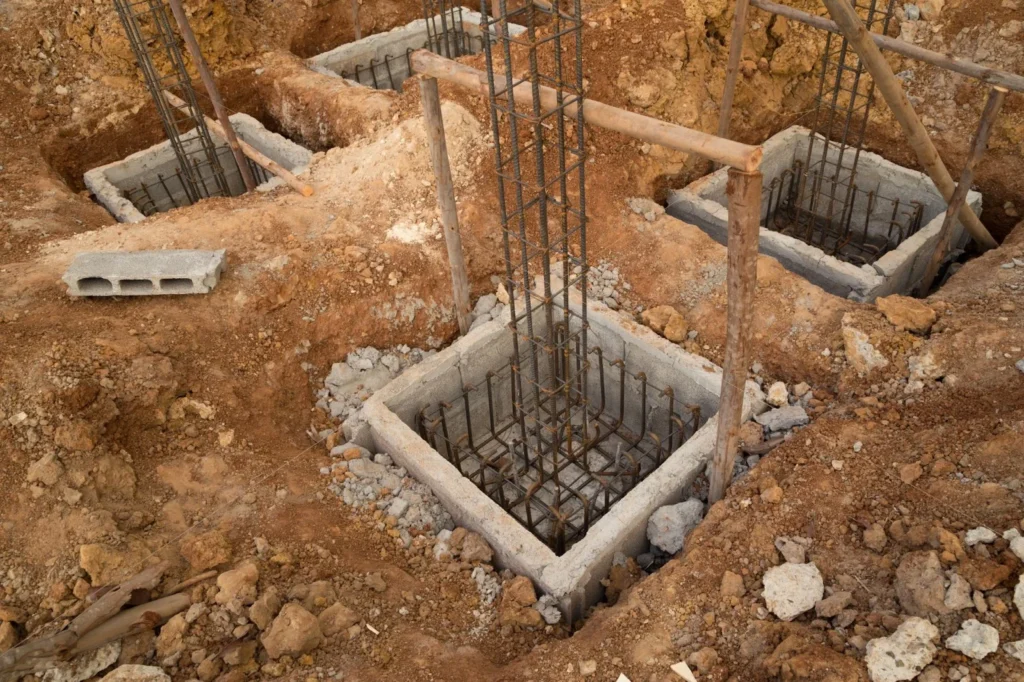
A concrete footing is the structural element that transfers the weight of a building safely into the ground. It sits below foundation walls, columns, posts, or grade beams and spreads loads over a larger area so the soil can support the structure without shifting.
In simple terms: footings are what your foundation stands on. If footings fail, everything above them is at risk — no matter how well the rest of the building is constructed.
In Calgary, footings are especially important because soil conditions and frost movement can exert significant upward and lateral forces on concrete. Properly designed and installed footings counteract these forces and keep structures stable year after year.
What Happens If Footings Are Too Shallow?
Shallow footings are one of the most common causes of structural damage in cold climates. When footings are placed above the frost line, the soil beneath them freezes, expands, and lifts the concrete — a process known as frost heave.
Real-world consequences of shallow footings include:
- Cracked foundation walls and slabs
- Uneven floors and sticking doors or windows
- Settling and shifting after seasonal freeze-thaw cycles
- Water infiltration through new cracks
- Expensive underpinning or foundation repairs later
From our experience as full-service concrete contractors in Calgary, repairing footing-related failures often costs many times more than doing the work correctly at the start.
Footing depth requirements also vary depending on the basement foundation types used in Calgary, including poured concrete walls, crawl spaces, and slab-on-grade construction.
Calgary’s Climate and Frost Depth Explained
Why Frost Depth Matters in Calgary
Calgary’s climate creates one of the most demanding environments for concrete construction in Canada. Long winters, rapid temperature swings, and deep frost penetration all influence how footings must be designed.
When soil freezes, moisture within it expands. As temperatures fluctuate, the soil repeatedly freezes and thaws, creating upward pressure on anything resting above it. Without adequate footing depth, this movement transfers directly into the structure.
This is why footing depth is not arbitrary. It must be deep enough to sit below the zone where soil freezes — ensuring the footing remains on stable, unfrozen ground year-round.
What Is the Frost Line in Calgary?
The frost line refers to the maximum depth at which soil is expected to freeze during winter. In Calgary, frost penetration typically reaches 1.2 to 1.5 metres (approximately 4 to 5 feet) below finished grade, depending on soil type, moisture content, and exposure.
Because of this, Calgary requires deeper footings than many other regions in Canada. What might work in southern climates simply doesn’t hold up here.
For comparison:
- Southern British Columbia: often less than 600 mm
- Southern Ontario: approximately 1.0–1.2 m
- Calgary: typically 1.2–1.5 m
This depth ensures footings remain below the active frost zone, protecting the structure from seasonal ground movement.
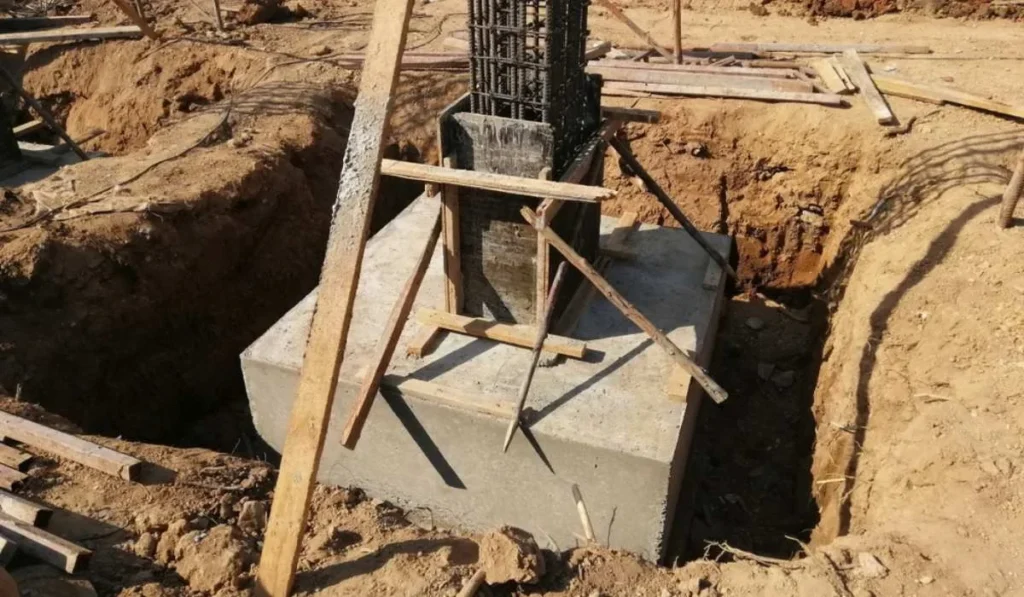
Alberta Building Code Requirements for Footing Depth
Minimum Footing Depth Required by Code
Footing depth in Calgary sets minimum standards for safety, durability, and structural performance.
Under the Alberta Building Code:
- Footings must extend below the frost line
- Minimum depth is generally 1.2 metres (4 feet) below finished grade
- Deeper footings may be required based on soil conditions, loads, or exposure
For unheated structures such as detached garages, sheds, or decks, footing depth becomes even more critical, as the ground beneath them experiences deeper frost penetration than heated buildings.
It’s important to note that the Alberta Building Code establishes minimum requirements. In practice, engineers or inspectors may require deeper footings to account for site-specific risks.
Footing Width, Thickness, and Bearing Requirements
Depth is only one part of proper footing design. The Building Code also regulates footing width, thickness, and bearing capacity to ensure loads are safely transferred to the soil.
Key considerations include:
- Soil bearing capacity (clay, sand, or engineered fill)
- Weight of the structure above
- Point loads from columns or beams
- Presence of groundwater or poor drainage
For example, a single-family home foundation requires significantly wider and thicker footings than a deck post. In some cases, geotechnical reports or structural engineering designs are required to confirm footing dimensions.
Residential vs Commercial Footing Requirements
Residential and commercial buildings in Calgary are subject to different design loads and inspection standards.
Residential footings typically support:
- Single-family homes
- Basements and crawl spaces
- Attached garages and additions
Commercial and industrial footings must account for:
- Heavier structural loads
- Equipment and vehicle traffic
- Higher safety factors
As a result, commercial footings are often deeper, wider, and reinforced according to engineered drawings — even when built on the same site conditions.
In all cases, compliance is verified through city inspections before concrete is poured, making correct excavation depth essential from day one.
After excavation and footing work is complete, understanding how to clean concrete surfaces properly helps protect new concrete from staining, scaling, and premature surface wear.
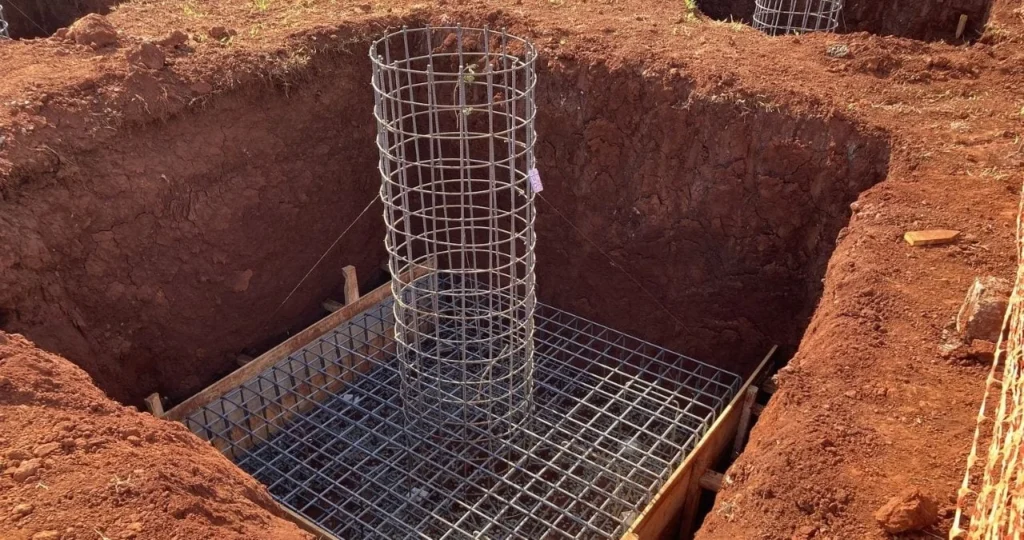
Typical Footing Depths for Common Calgary Structures
House Foundations
For most residential homes in Calgary, foundation footings are typically installed at a minimum depth of 1.2 metres (4 feet) below finished grade. This depth places the footing safely below the frost line, protecting the structure from seasonal soil movement.
Basement foundations often extend deeper than the minimum requirement, especially when accommodating full-height basement walls. Crawl space foundations and slab-on-grade homes may also require deeper footings depending on insulation, drainage, and soil conditions.
From long-term performance data across Calgary neighborhoods, properly placed footings significantly reduce cracking, water infiltration, and differential settlement over the life of the home.
Garages and Detached Structures
Detached garages are a common problem area when it comes to footing depth. Because many garages are unheated, the ground beneath them experiences deeper frost penetration.
In Calgary, garage footings typically require:
- A minimum depth of 1.2 metres
- Additional consideration for frost exposure on all sides
- Proper drainage away from the slab edge
Shallow garage footings are a frequent cause of cracked slabs and tilted structures — issues that are entirely preventable with correct excavation.
Decks, Stairs, and Porches
Decks and exterior stairs often rely on individual post footings, commonly formed with sonotubes. While these structures may appear lightweight, they are still subject to the same frost forces as larger buildings.
In Calgary, deck and stair footings generally must:
- Extend below the frost line
- Be sized to support point loads
- Include proper bearing on undisturbed soil
One of the most common DIY mistakes is placing deck posts on shallow concrete pads — a shortcut that almost always leads to movement within a few seasons.
Retaining Walls and Specialty Structures
Retaining walls, stairs, and specialty concrete features require footing depths based on load, height, and soil pressure. Taller walls or structures supporting backfill may require deeper and wider footings than standard residential construction.
Engineering input is often required for these applications to ensure long-term stability and safety.
Factors That Can Change Required Footing Depth
Soil Conditions in Calgary
Calgary’s soil conditions vary significantly across the city. Many areas contain expansive clay soils, which are highly sensitive to moisture and temperature changes.
Clay soils expand when wet and shrink when dry, increasing the risk of movement if footings are not properly designed. Sandy or disturbed soils may require wider or deeper footings to achieve adequate bearing capacity.
Drainage and Moisture Levels
Poor drainage increases frost heave risk by introducing excess moisture into the soil. Standing water near footings allows deeper freezing and greater expansion.
Proper grading, weeping tile systems, and drainage planning play a critical role in footing performance — especially in older neighborhoods or low-lying lots.
Structural Load and Building Design
Heavier structures exert greater loads on footings. Multi-storey homes, large open spans, and concentrated point loads often require deeper or reinforced footings.
In these cases, structural engineers may specify footing depths that exceed minimum code requirements to ensure safety and durability.
Common Footing Mistakes We See in Calgary
Pouring Above the Frost Line
Despite clear code requirements, shallow footings remain one of the most frequent issues we encounter. These failures are often driven by cost-cutting or lack of local experience.
Inadequate Excavation and Compaction
Even when footings are deep enough, poor excavation practices can undermine performance. Over-excavation without proper re-compaction creates soft spots that lead to settlement.
Skipping Engineering or Inspections
Bypassing required inspections or engineering approvals may save time initially, but it creates serious risks during resale, insurance claims, or future renovations.
According to the National Research Council of Canada, frost penetration and soil moisture are key contributors to foundation movement in cold regions like Southern Alberta.
How Omega 2000 Ensures Code-Compliant Footings
35+ Years of Calgary-Specific Experience
With over 35 years of hands-on experience, Omega 2000 understands how Calgary’s climate, soil, and regulations intersect. This local expertise allows us to anticipate issues before they become costly problems.
Our Footing Construction Process
Every footing project follows a proven process:
- Site assessment and code review
- Accurate excavation to required depth
- Verification of undisturbed bearing soil
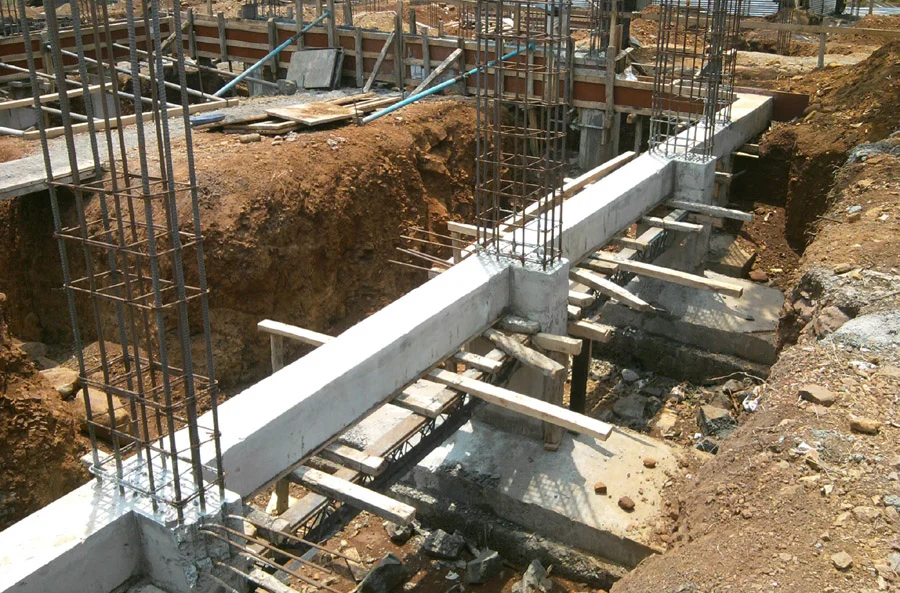
- Forming and reinforcement installation
- Inspection coordination prior to pour
- Concrete placement and curing
Projects We Handle
Our team delivers footing and foundation solutions for:
- Residential homes and additions
- Garages and accessory buildings
- Commercial and light industrial projects
- Concrete stairs, walkways, and structural elements
Cost Implications of Proper Footing Depth
Does Deeper Footing Mean Higher Cost?
While deeper footings involve additional excavation and concrete, they represent a small fraction of total project cost. In contrast, repairing foundation failures caused by shallow footings can cost tens of thousands of dollars.
Budgeting for Code-Compliant Footings
Footing costs depend on depth, width, soil conditions, and site access. Investing upfront in proper construction consistently delivers better long-term value and peace of mind.
Frequently Asked Questions (FAQ)
How deep do footings need to be in Calgary?
In most cases, footings must extend at least 1.2 metres (4 feet) below finished grade to sit below the frost line.
Do garage footings need to go below the frost line?
Yes. Unheated garages are particularly vulnerable to frost heave and must meet full frost depth requirements.
Are deck footings different from house footings?
Deck footings typically support point loads but still must extend below the frost line to prevent movement.
Can insulation reduce footing depth?
In some engineered designs, insulation may be used to mitigate frost effects, but approval from local authorities is required.
Who inspects footing depth in Calgary?
Footing depth is inspected by municipal inspectors before concrete is poured to confirm code compliance.
What happens if my existing footings are too shallow?
Options may include underpinning, structural reinforcement, or full reconstruction, depending on severity.
Final Thoughts: Build It Right the First Time
Footing depth is one of the most important decisions in any concrete project. In Calgary’s demanding climate, following code requirements and local best practices is essential for long-term performance and safety.
Properly designed and installed footings protect your investment, reduce maintenance costs, and ensure your structure stands strong for decades.
Get Expert Help with Concrete Footings in Calgary
If you’re planning a foundation, garage, deck, or commercial project, working with experienced local professionals makes all the difference.
Omega 2000 is a full-service concrete contractor serving Calgary for over 35 years. Contact our team today to discuss your project, verify footing requirements, and get expert guidance you can trust.