
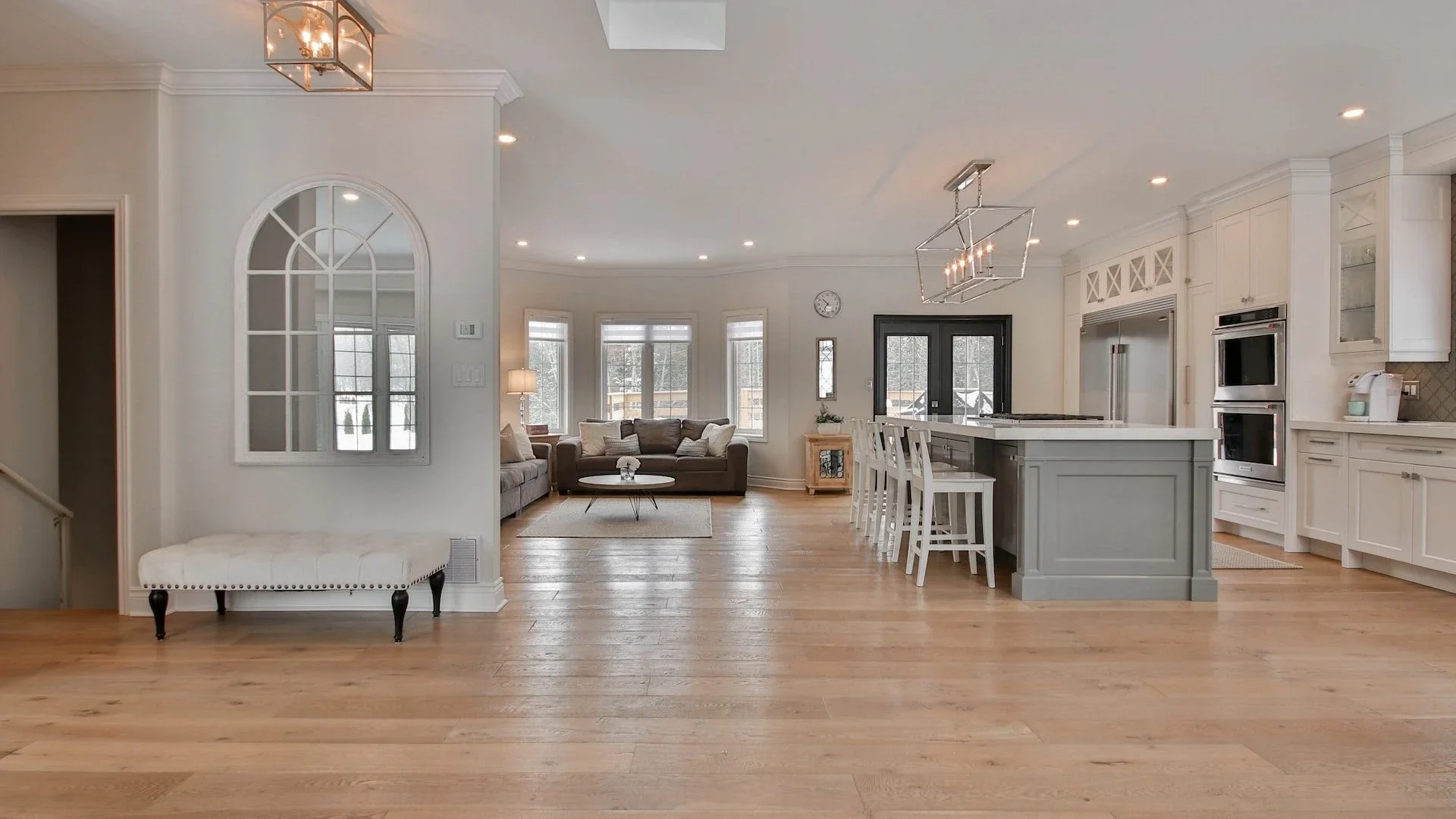
Choosing the right high-traffic flooring options is critical for commercial, industrial, and busy residential spaces. Floors in these environments must withstand constant foot traffic, heavy equipment, and long-term wear without sacrificing safety or appearance. From polished concrete and epoxy coatings to vinyl and tile, understanding which flooring materials perform best under pressure helps you make a smarter, longer-lasting investment.
Key Takeaways
| Aspect | Details |
|---|---|
| Optimal Flooring for High Traffic Areas | Explore the best flooring options for areas with heavy foot traffic, considering durability and style. |
| Industrial Flooring Solutions | Dive into the world of industrial and commercial flooring, focusing on concrete, vinyl, and other heavy-duty options. |
| Trends and Materials in Flooring | Uncover the latest trends and materials in the flooring industry, from luxurious vinyl to classic wood. |
| Installation and Maintenance Tips | Gain insights into installation costs, maintenance tips, and how to ensure longevity of your flooring. |
| Eco-friendly and Cost-effective Choices | Learn about environmentally friendly and cost-effective flooring solutions for various settings. |
Best High Traffic Flooring Options for Busy Spaces
When selecting flooring for high traffic areas, durability and resilience are key. The right flooring can withstand the daily wear and tear of heavy foot traffic while maintaining its aesthetic appeal. Here’s a look at some of the best options:
-
Laminate Flooring: A go-to choice for its balance of durability and style. Capable of mimicking the look of natural wood or stone, laminate is a versatile option suitable for various settings. Its wear layer provides substantial protection against scratches and dents, making it ideal for areas like hallways and living rooms.
-
Vinyl Flooring: Particularly luxury vinyl tile (LVT), offers exceptional durability and moisture resistance, perfect for kitchens or bathrooms. Vinyl sheet flooring, known for its seamless quality, further elevates the resistance to moisture and heavy foot traffic.
-
Solid Hardwood and Engineered Wood: For a timeless appeal, solid hardwood floors and engineered hardwood flooring are excellent choices. Though they require more maintenance, their natural beauty and ability to be refinished make them a long-lasting option.
-
Tile Flooring: Ceramic tiles and porcelain tiles offer a hard-wearing surface, ideal for high-traffic commercial areas. Their resistance to moisture and stains makes them a practical choice for both residential and industrial settings.
-
Epoxy Flooring: Known for its resilience in industrial settings, epoxy flooring provides a durable, easy-to-clean surface suitable for warehouses or garages.
Each of these options comes with its own set of advantages and considerations. For example, while laminate floors and vinyl flooring offer cost-effectiveness and easy installation, solid wood and engineered options deliver a more upscale look.
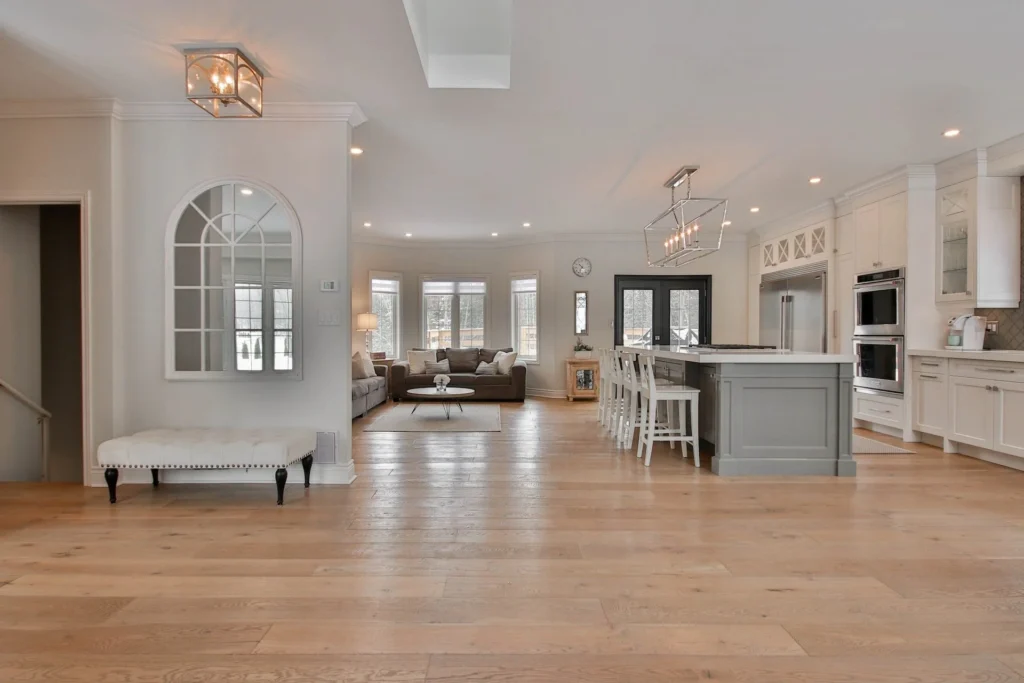
Durability Meets Style: Industrial and Commercial Flooring Solutions
Industrial and commercial spaces require flooring that can withstand intense wear and tear while maintaining a professional appearance. Here’s an overview of some top choices:
-
Concrete Flooring: A staple in industrial spaces, concrete flooring, especially polished concrete floors, are known for their durability and low maintenance requirements.
-
Commercial Vinyl Flooring: Including options like vinyl composition tile (VCT) and sheet vinyl, these materials provide a balance of durability and aesthetic flexibility.
-
Heavy-Duty Flooring Options: Materials like natural stone and industrial-grade carpet tiles are designed to endure heavy foot traffic and machinery.
When considering flooring for a commercial flooring project, factors like foot traffic, moisture exposure, and overall aesthetics play a crucial role. For instance, polished concrete is ideal for an industrial look, while luxury vinyl tile might be better suited for spaces that require a more sophisticated touch.
When evaluating surface performance under constant use, it’s important to look beyond appearance and consider how materials respond to weight, movement, and wear over time. A deeper look at comparison between concrete and pavers highlights how load distribution, joint behavior, and long-term stability differ between the two systems in demanding environments.
Latest Trends and Materials in the flooring industry
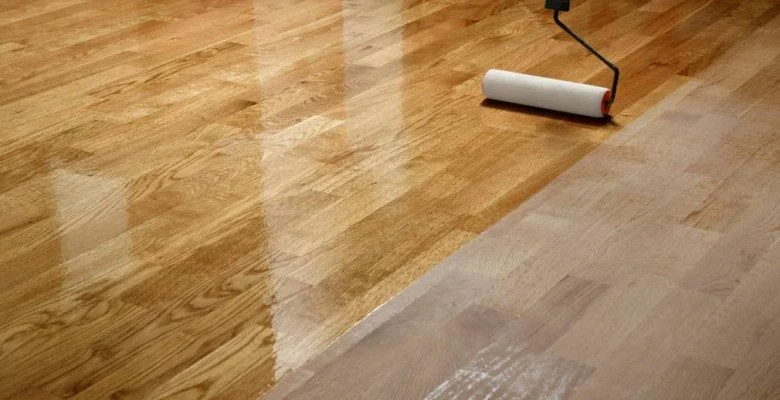
The flooring industry is constantly evolving, with new trends and materials emerging regularly. Here are some of the latest developments:
-
Eco-friendly Materials: More consumers are opting for sustainable options like bamboo or recycled materials.
-
Advanced Vinyl Options: Luxury vinyl and vinyl planks are gaining popularity for their versatility and durability.
-
Unique Textures and Patterns: From rustic wood floors to patterned tiles, there’s a growing demand for unique designs that make a statement.
-
Technology Integration: Smart flooring solutions that offer more than just aesthetics, like temperature control or integrated lighting, are on the rise.
Remember, when selecting a flooring material, it’s crucial to consider not just the current trends but also the specific needs of your space, such as moisture resistance or the ability to withstand heavy foot traffic.
In the next generation, we’ll delve deeper into installation and maintenance tips, cost-effective choices, and answer some frequently asked questions about flooring.
Installation and Maintenance: Ensuring Longevity of Your Flooring
Selecting the right flooring is just the first step; proper installation and maintenance are key to ensuring its longevity. Here are some tips:
Installation Costs: These vary depending on the flooring type. For example, solid hardwood might have higher installation costs due to the need for professional fitting and finishing, whereas laminate flooring and vinyl sheet flooring are more DIY-friendly and cost-effective.
Proper Maintenance: Different materials require different care. For instance, wood floors need regular polishing to maintain their shine, while ceramic tiles are low maintenance and easy to clean.
Dealing with Wear and Tear: High-traffic areas can lead to quicker deterioration. Using area rugs or throw rugs can protect the flooring from excessive wear, especially in commercial settings.
Repair and Replacement: Understanding the lifespan and repair options for your flooring is crucial. While vinyl flooring options and laminate floors might be easier to replace, solid hardwood and natural stone offer the possibility of repair and refinishing.
Eco-friendly and Cost-effective Flooring Choices
-
Sustainable Materials: Bamboo and cork are excellent renewable resources, offering both durability and a unique aesthetic. They’re a great choice for those looking to save money and reduce their environmental impact.
As concrete technology continues to evolve, design decisions are increasingly driven by performance under real-world conditions. Advancements in mix design, surface treatments, and reinforcement are shaping high-traffic flooring in modern concrete design, especially for commercial and industrial spaces that demand durability alongside sustainability.
Recycled Options: Recycled vinyl composition tile and carpet tiles are gaining traction for their reduced environmental footprint and versatility.
Longevity and Value: Investing in durable flooring like epoxy flooring or polished concrete can be more cost-effective in the long run due to their low maintenance and high durability.
Energy Efficiency: Some flooring types, like certain engineered hardwood options, can improve insulation and energy efficiency, potentially saving costs on heating and cooling.
Proper curing is not just about early strength—it directly influences long-term performance under constant use. Understanding how curing affects high-traffic concrete floors helps explain why well-cured slabs resist surface wear, cracking, and premature failure far better than poorly cured installations.
Answering Your Flooring Questions
-
Hardest Most Durable Flooring: Porcelain tile and polished concrete are among the most durable options, ideal for commercial and industrial settings.
-
Flooring for High-Traffic and Pets: Luxury vinyl tile and laminate flooring are great choices, offering scratch resistance and easy cleaning.
-
Best Vinyl Flooring for High-Traffic Commercial Areas: Commercial-grade vinyl sheet or luxury vinyl tile are top choices for their durability and ease of maintenance.
-
Suitable Flooring for Industrial Buildings: Epoxy flooring and polished concrete floors are ideal for their resistance to heavy machinery and easy maintenance.
-
Latest Trends in the Flooring Industry: Eco-friendly materials, advanced vinyl options, and technology-integrated flooring are some of the current trends.
-
Best Flooring for Industrial Look: Polished concrete and metal-look tiles are great for achieving an industrial aesthetic.
-
Most Luxurious Flooring: Natural stone and high-quality engineered wood offer a luxurious feel and appearance.
Cheapest Most Durable Flooring: Laminate and basic vinyl flooring options provide a balance of affordability and durability.
High-traffic environments demand flooring solutions built for durability, safety, and long-term performance. Omega 2000 Cribbing Inc. delivers professional concrete and flooring systems engineered to handle real-world use in residential, commercial, and industrial settings.
Contact us to discuss your project, evaluate site conditions, and receive a customized flooring recommendation and quote.