Choosing the right surface for your driveway, patio, or walkway is a big decision for Calgary homeowners. Between harsh freeze-thaw cycles, heavy snow loads, and long winters, not every material performs the same over time. Two of the most popular options—stamped concrete and concrete pavers—both offer strong curb appeal, but they differ significantly in cost, durability, and long-term maintenance.
This guide breaks down stamped concrete vs pavers from a practical, real-world perspective. Drawing on decades of hands-on experience in Calgary concrete construction, we’ll compare installation methods, upfront and long-term costs, climate performance, and durability—so you can make a confident, informed choice for your property.
Compare stamped concrete and pavers to see which offers better value and durability.
What Is Stamped Concrete?
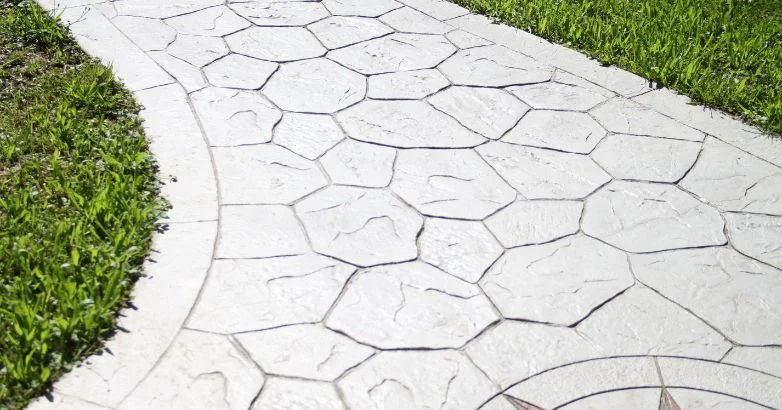
Stamped concrete is a poured-in-place concrete surface that is textured, patterned, and colored to resemble natural materials such as stone, slate, brick, or even wood. Unlike plain broom-finished concrete, stamped concrete focuses on both structural strength and decorative appeal.
According to guidance from the Portland Cement Association, freeze-thaw damage is closely tied to moisture control and air-entrained concrete—both critical factors in Calgary installations.
How Stamped Concrete Is Installed
The durability of stamped concrete starts with proper installation. In Calgary, this process must account for soil conditions, frost depth, and drainage to prevent premature cracking or settlement.
Excavation & base preparation: Organic soil is removed and replaced with compacted gravel.
Reinforcement: Rebar or wire mesh is installed to reduce cracking and improve load capacity.
Concrete pour: High-quality concrete is poured and leveled.
Stamping: While the concrete is still workable, textured stamps are pressed into the surface.
Coloring & sealing: Integral color, release agents, and sealers are applied for appearance and protection.
When installed correctly, stamped concrete forms a single, solid slab—making it particularly strong for driveways and high-traffic areas.
Popular Stamped Concrete Styles in Calgary
Stamped concrete is highly customizable, which is why it’s commonly used in both residential and commercial projects across Calgary.
Ashlar slate and seamless stone patterns
Brick and cobblestone designs
Wood plank textures for patios
Modern large-format stone looks
Color options range from natural earth tones to contemporary greys, allowing homeowners to match modern or traditional architecture.
Cost, lifespan, and maintenance—key differences between stamped concrete and pavers.
Where Stamped Concrete Works Best
Because stamped concrete is a continuous slab, it excels in areas that experience vehicle loads, snow removal equipment, and frequent use.
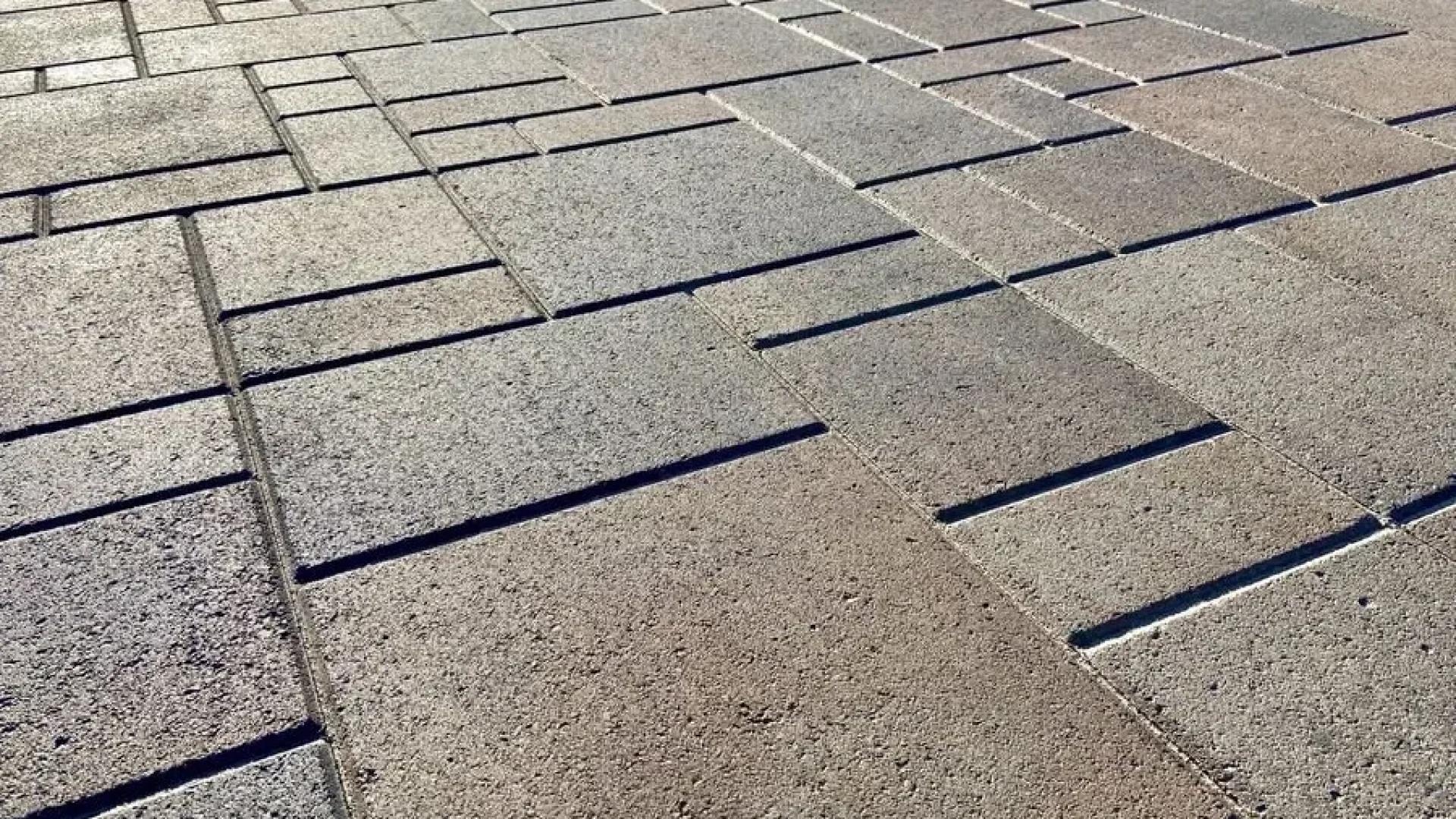
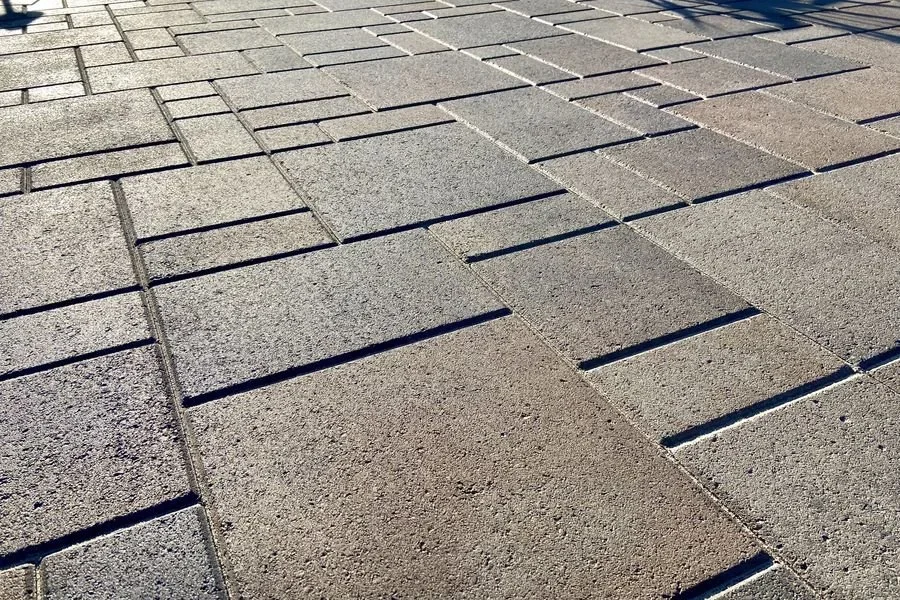
Concrete pavers—often called paving stones—are individual precast units installed over a compacted gravel and sand base. Instead of forming a single slab, pavers interlock to create a flexible surface.
Understanding durability and repair costs before choosing concrete or pavers.
How Pavers Are Installed
Paver installation is labor-intensive and highly dependent on proper base preparation—especially important in Calgary’s shifting soils.
Deep excavation to accommodate base layers
Compacted crushed gravel base
Leveling sand layer
Individual paver placement
Edge restraints and joint sand compaction
Because pavers are not rigidly bonded together, the surface can flex slightly with ground movement.
Types of Pavers Used in Calgary
Not all pavers are the same. Quality and thickness play a major role in long-term performance.
Standard concrete paving stones
Heavy-duty interlocking driveway pavers
Permeable pavers designed for drainage
Common Applications for Pavers
Pavers are often chosen for decorative spaces where aesthetics and modular design are priorities.
Patios and outdoor living areas
Garden pathways
Low-traffic walkways
Driveways (with reinforced base systems)
While pavers are sometimes used around pools, many homeowners prefer stamped concrete pool decks because they provide a seamless, slip-resistant surface without shifting joints.
Cost Comparison: Stamped Concrete vs Pavers in Calgary
Cost is one of the biggest deciding factors for homeowners. While both materials can look high-end, their price structures are very different.
Initial Installation Cost
In the Calgary market, stamped concrete generally costs less upfront than pavers due to faster installation and lower labor requirements.
Stamped concrete: Typically lower cost per square foot due to a single pour process.
Concrete pavers: Higher cost due to individual placement and more extensive base preparation.
According to industry averages, professionally installed pavers can cost 20–40% more than stamped concrete for the same square footage, depending on design complexity and site conditions.
Cost Breakdown Comparison
Cost Factor
Stamped Concrete
Concrete Pavers
Material Cost
Moderate
High
Labour
Lower
Higher
Installation Time
Faster
Slower
Upfront Cost
Lower
Higher
Long-Term Cost Considerations
Upfront pricing doesn’t tell the whole story. Long-term ownership costs matter just as much—especially in Calgary’s demanding climate.
Stamped concrete: Periodic resealing every few years helps extend lifespan.
Pavers: Ongoing costs include re-leveling, joint sand replacement, and weed control.
Over 20–30 years, many homeowners find stamped concrete offers a lower total cost of ownership when professionally installed and maintained.
Cost is another deciding factor, and when you break it down, stamped concrete driveway costs in Calgary are often lower than pavers once long-term maintenance is factored in.
A side-by-side look at cost and performance: stamped concrete vs pavers.
Durability Comparison in Calgary’s Climate
Calgary’s climate is one of the toughest environments for exterior concrete surfaces in Canada. With frequent freeze-thaw cycles, dramatic temperature swings, and heavy snow loads, durability is not just a nice-to-have—it’s essential.
Freeze-Thaw Performance
Stamped concrete and pavers respond differently to freeze-thaw conditions due to how they are constructed.
Stamped concrete: When properly reinforced, air-entrained, and sealed, stamped concrete performs exceptionally well against freeze-thaw damage. A single, well-drained slab minimizes water intrusion beneath the surface.
Pavers: Pavers allow water to pass through joints. While this can aid drainage, it also increases the risk of base movement if the sub-base is not perfectly installed or maintained.
According to the Portland Cement Association, freeze-thaw damage is most often caused by excess moisture combined with poor air entrainment—making professional installation a critical factor for long-term durability.
Load-Bearing Strength
Vehicle weight and snow removal equipment place significant stress on exterior surfaces, particularly driveways.
Stamped concrete driveways: Reinforced slabs distribute weight evenly, making them ideal for vehicles, RVs, and commercial traffic.
Paver driveways: Can handle loads when designed correctly, but are more susceptible to settling and rutting over time.
Cracking vs Surface Movement
A common concern is cracking. The reality is that all concrete can crack—but how it cracks and how visible it becomes matters.
Stamped concrete may develop hairline cracks over time, often controlled with proper joint placement.
Pavers rarely crack, but individual stones can sink or shift, creating uneven surfaces and trip hazards.
Maintenance Requirements
Maintenance is where many homeowners feel the difference between stamped concrete and pavers most clearly.
Stamped Concrete Maintenance
Stamped concrete maintenance is relatively straightforward and predictable.
Resealing every 2–4 years depending on exposure
Occasional crack sealing if needed
Routine cleaning with mild detergent
When sealed correctly, stamped concrete resists salt damage, staining, and surface wear—important for Calgary winters.
Paver Maintenance
Pavers require more ongoing attention, especially as the installation ages.
Re-leveling sunken areas
Replacing joint sand
Weed and moss removal
Edge restraint repairs
Long-Term Maintenance Cost Comparison
Maintenance Factor
Stamped Concrete
Pavers
Annual Effort
Low
Moderate to High
Repair Complexity
Moderate
Low
Long-Term Cost
Lower
Higher
Aesthetic & Design Flexibility
Color, Texture, and Customization
Stamped concrete offers a seamless, high-end look with extensive design flexibility. Integral coloring and surface textures can replicate natural stone at a fraction of the cost.
Pavers provide modular design options, allowing patterns and color blends—but visible joints are always part of the finished look.
Fade Resistance Over Time
UV exposure can affect both materials.
Stamped concrete retains color well when sealed with UV-resistant sealers.
Pavers may fade unevenly over time, especially lower-quality products.
Curb Appeal & Property Value
Well-installed stamped concrete often delivers stronger curb appeal due to its clean, continuous appearance. For resale, buyers tend to value low-maintenance surfaces—giving stamped concrete an edge in many Calgary neighbourhoods.
Installation Timeline & Disruption
Project Duration
Stamped concrete: Typically completed within a few days, weather permitting.
Pavers: Often require more time due to detailed placement and compaction.
Access and Downtime
Stamped concrete requires curing time before use, while pavers can often be walked on immediately. However, once cured, stamped concrete generally requires fewer future disruptions.
Which Is Better for Calgary Homes?
Best Choice for Driveways
For driveways, stamped concrete is often the better option due to superior load-bearing capacity, lower maintenance, and better performance during snow removal.
Best Choice for Patios
Both options work well for patios. Homeowners seeking minimal maintenance often prefer stamped concrete, while those prioritizing modular design may lean toward pavers.
Best Choice for Walkways
Stamped concrete walkways offer long-term stability and smooth surfaces, making them ideal for high-traffic areas and accessibility.
Expert Insight from Calgary Concrete Professionals
“Most long-term issues we see come down to poor base preparation and shortcuts during installation—not the material itself,” explains a senior project manager with over 30 years of concrete experience in Calgary. “When stamped concrete is done right, it consistently outperforms pavers in our climate.”
Why Homeowners Trust Omega 2000
35+ years of hands-on Calgary concrete experience
Specialists in stamped concrete, driveways, patios, and walkways
Deep understanding of local soil and climate conditions
Residential and commercial expertise
Frequently Asked Questions
Is stamped concrete cheaper than pavers in Calgary?
Yes. In most cases, stamped concrete has a lower upfront and long-term cost compared to pavers.
Does stamped concrete crack in winter?
Minor cracking can occur, but proper reinforcement, control joints, and sealing significantly reduce visible cracking.
Do pavers sink over time?
They can if the base shifts or erodes, which is common in freeze-thaw environments without proper drainage.
How long does stamped concrete last?
With proper installation and maintenance, stamped concrete can last 30 years or more.
Final Verdict: Stamped Concrete or Pavers?
For Calgary homeowners seeking durability, lower maintenance, and long-term value, stamped concrete is often the smarter investment. Pavers can be a good option for decorative spaces, but they typically require more upkeep and higher upfront costs.
Get Expert Advice for Your Project
Choosing the right surface starts with expert guidance. Contact Omega 2000 today for a consultation and discover how professionally installed stamped concrete can enhance your property’s value, performance, and curb appeal for decades to come.