
Are you planning a new driveway in McKenzie Towne or a commercial slab in the East Village? You’ve probably heard that using fly ash in your concrete mix is a smart move, but the “how” can feel overwhelming. Here’s exactly how to do it, step-by-step, so you can get the durable, cost-effective results Calgary builders are looking for. Working with a local expert like Omega2000 can simplify the entire process, from sourcing the right materials to perfecting the pour.
Step 1: Understand What Fly Ash Is and Why It’s Used
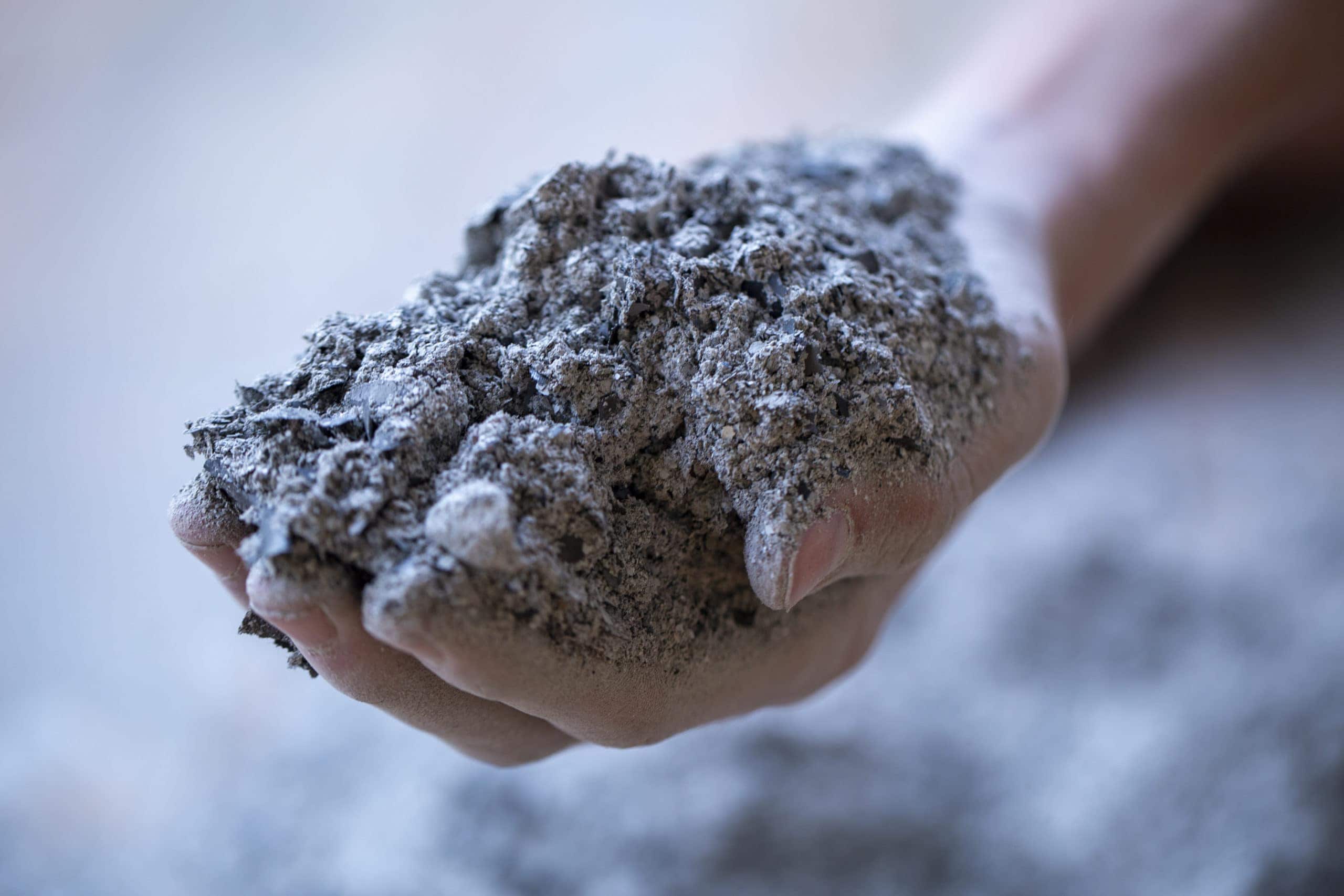
Fly ash is a fine, powdery byproduct from coal-fired power plants. When incorporated into concrete, it acts as a supplementary cementitious material, meaning it reacts with water and lime to form cementitious compounds. This isn’t just industrial recycling; it fundamentally improves the concrete’s performance.
Why does this matter for your Calgary project? The primary benefits are increased durability and a more workable mix. Fly ash creates a denser concrete matrix, which is your best defense against our punishing freeze-thaw cycles and road salt. If you skip this foundational understanding, you risk misjudging mix proportions or curing times, leading to a weaker final product.
The Pozzolanic Reaction Explained
This is the magic behind fly ash. The silica in fly ash reacts with the calcium hydroxide released during cement hydration. This secondary reaction forms additional calcium silicate hydrate, the glue that holds concrete together. The result is a slower, but ultimately stronger and less permeable concrete.
Bottom line: fly ash isn’t just filler; it’s a performance-enhancing ingredient that makes concrete tougher from the inside out.
Step 2: Source the Right Type and Quality of Fly Ash
Not all fly ash is created equal. For construction, you’ll primarily encounter Class C and Class F fly ash, classified by their calcium content. Class F ash is more common and is prized for its high pozzolanic activity, making it excellent for general use. Class C ash has some self-cementing properties but is less readily available in our region.
Why does sourcing matter? Using inconsistent or low-quality fly ash can lead to unpredictable set times and strength gain. This is a critical step you can’t afford to guess on. Always request mill certificates from your supplier to verify the chemical composition and consistency of the material.

Tools and Materials You’ll Need
| Item | Purpose | Estimated Cost (CAD) |
|---|---|---|
| Class F Fly Ash | Primary supplementary cementitious material for the mix. | $50 – $80 per tonne (bulk) |
| Concrete Mix Design Software/Consultation | To calculate precise water-cement ratios and fly ash replacement levels. | $200 – $500 (one-time fee) or Included in contractor quote |
| Moisture Curing Supplies (Burlap, Poly Sheeting) | Essential for extended moist curing due to slower fly ash hydration. | $100 – $300 (project dependent) |
| Professional Concrete Testing | For slump tests and compressive strength cylinders to verify mix performance. | Included in contractor quote |
Having the right materials on hand before the truck arrives is non-negotiable. A project on the slopes of Signal Hill, for instance, might have different logistical needs than a flat pad in Cranston.
Investing in a proper mix design from the start saves you from costly call-backs and failures down the road.
Step 3: Calculate the Correct Mix Proportions
This is the core of incorporation. Fly ash typically replaces 15% to 30% of the Portland cement by weight in the mix. The exact percentage depends on your project’s required strength, exposure conditions, and desired finish time. A higher replacement rate increases durability but extends the initial set time.
Why are precise proportions so critical? Too little fly ash and you miss the benefits. Too much, and you can severely delay strength gain, leaving your new Currie Barracks patio vulnerable if forms are stripped too early. Always work from a certified mix design rather than guessing.
Adjusting the Water-Cement Ratio
Fly ash particles are spherical and finer than cement, which makes the concrete mix more fluid. This means you can often reduce the amount of mixing water by 5-10% while maintaining the same workability. A lower water-cement ratio is the single biggest factor in creating stronger, more durable concrete, so this adjustment is a major win.
Getting the mix right turns a good concrete pour into a great one that will last for decades.

Step 4: Ensure Proper Batching and Mixing
Proper incorporation starts at the plant. The fly ash must be batched separately from the cement and aggregates to ensure an even distribution. For ready-mix, specify that the drum must mix for a minimum additional time—often an extra 5 minutes—to fully integrate the fly ash and achieve a homogeneous mix.
Why does mixing procedure matter? Inadequate mixing leads to “hot spots” of pure cement and weak spots of insufficient binder. The result is inconsistent strength and a high potential for surface defects. On-site mixing for smaller jobs requires even more vigilance to avoid clumping.
Step 5: Place, Finish, and Most Importantly, Cure
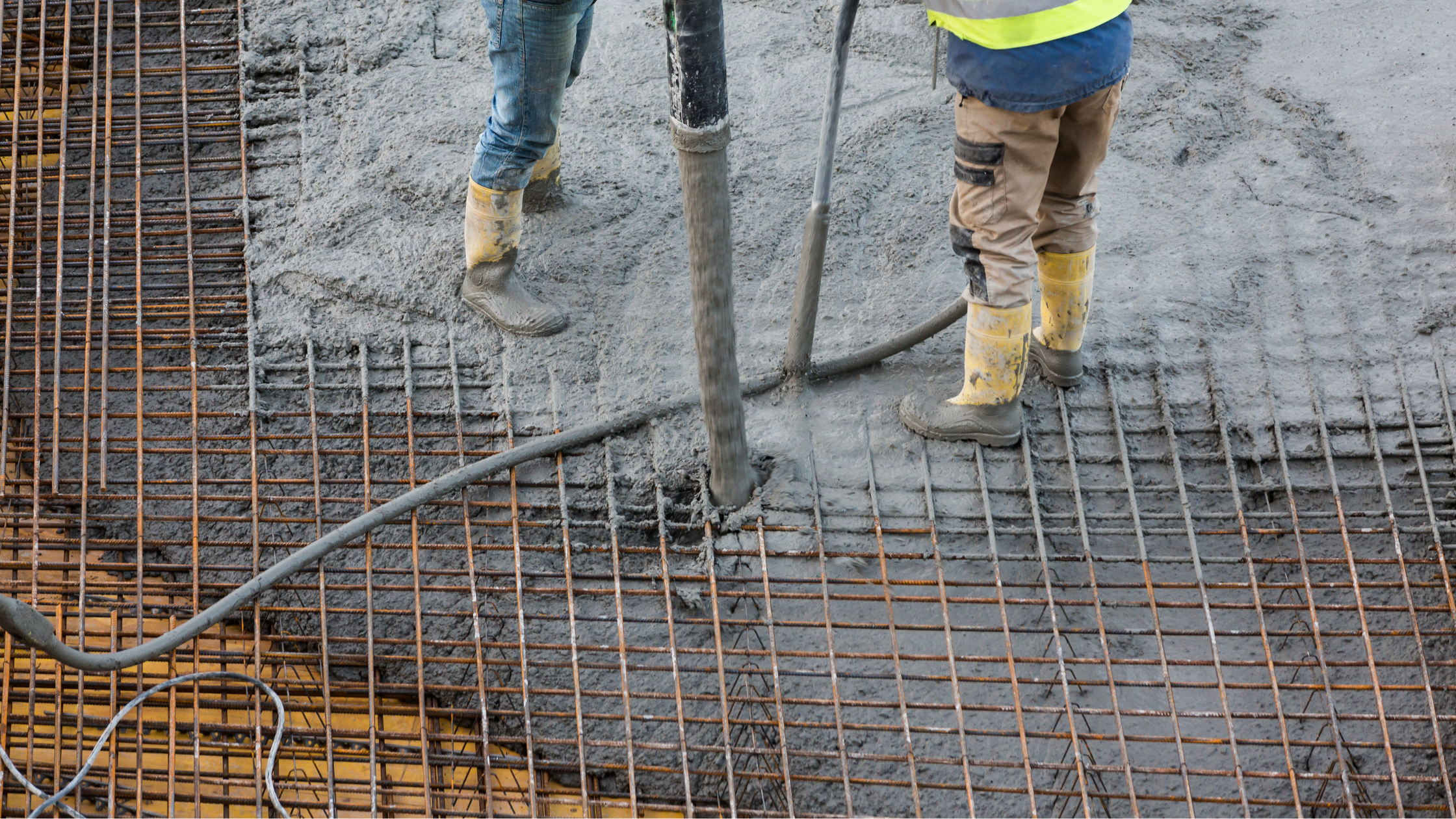
Placing and finishing fly ash concrete is similar to conventional concrete, but with a longer window for finishing due to the delayed set. You’ll have more time to work the surface, which is a bonus for complex stamps or smooth broomed finishes. However, you must wait for the bleed water to evaporate before starting to trowel.
The curing step is where many Calgary DIYers go wrong. Fly ash concrete gains strength more slowly initially. It requires extended moist curing—a minimum of 7 days, with 14 days being ideal—to ensure the pozzolanic reaction completes and achieves its full potential strength. Skipping this is the most common reason for premature surface dusting or low strength.
Common Mistakes and How to Avoid Them
The biggest error is treating fly ash concrete exactly like standard concrete. Its different behaviour demands respect. Another major pitfall is using fly ash as a simple one-for-one cement substitute without adjusting the mix design. This leads to serious under-performance.
Failing to plan for the longer cure time is a recipe for disaster. Don’t schedule your massive backyard party in Aspen Woods for the weekend after the pour. Finally, never use fly ash in applications requiring very early strength, like post-tensioned slabs or rapid road repairs, without expert engineering oversight.
Patience during curing isn’t a suggestion; it’s the requirement for unlocking fly ash’s full strength.
Performance and Benefits for Calgary Projects
For homeowners and developers alike, the benefits are tangible. You get a denser, less permeable concrete that stands up to freeze-thaw damage far better than standard mixes. This means fewer cracks and less spalling on your driveway from winter’s assault.
The improved workability makes it easier for finishers to achieve a superior surface. From a cost perspective, replacing a portion of cement with fly ash can reduce material costs. Perhaps most importantly for larger commercial jobs, using fly ash contributes to LEED points and demonstrates a commitment to sustainable building practices.

Frequently Asked Questions
Does fly ash make concrete weaker?
Absolutely not, when used correctly. While early strength (3-7 days) is lower, the long-term compressive strength of fly ash concrete actually surpasses that of plain cement concrete at 28 days and beyond. The key is allowing for that extended curing period to let the pozzolanic reaction work its magic.
For a standard driveway in communities like Tuscany, a well-designed fly ash mix will ultimately provide a harder, more durable surface that resists scaling from winter salts.
Is fly ash concrete safe?
Yes, completely. Once the fly ash is chemically bound within the concrete matrix through hydration, it is inert and poses no health or environmental risk. The hardened concrete is as safe as any other. The handling of raw fly ash powder at plants requires standard dust control measures, but this doesn’t affect the finished product in your home or building.
Can I add fly ash to an existing concrete mix on-site?
This is not recommended. Achieving a uniform, homogenous mix is nearly impossible with on-site addition for anything but the smallest batches. For consistent, reliable results, fly ash must be batched and mixed at a certified ready-mix plant where proportions and mixing time are tightly controlled.
For a reliable result on your project, trust a professional batch plant and an experienced contractor who understands the material.
How does fly ash affect the final colour of the concrete?
Fly ash typically results in a slightly lighter, more consistent grey colour compared to pure Portland cement concrete, which can have a darker, sometimes greenish tint. This often leads to a more aesthetically pleasing finish for exposed concrete, like stamped patios or polished floors, providing a uniform base tone.
Knowing the facts helps you make an informed choice and manage expectations for your project timeline and finish.
Conclusion
Incorporating fly ash into your concrete project is a proven strategy for achieving a more durable, workable, and sustainable build. The process hinges on understanding the material, sourcing quality ash, following a precise mix design, and committing to proper extended curing. While the steps are straightforward, each one is critical to success.
For Calgary homeowners and developers from the Beltline to Seton, getting these details right means a finished project that withstands our climate beautifully. If you’re ready to leverage the benefits of fly ash concrete for your next pour, the team at Omega2000 has the local expertise to guide you from mix design to final cure, ensuring your investment stands the test of time.