
A concrete driveway is more than just a place to park your vehicle—it’s a structural asset that supports daily loads, enhances curb appeal, and protects your property’s value. Over time, however, even the most well-built concrete driveways begin to show signs of wear. Cracks appear, surfaces flake, and uneven sections may develop. At that point, homeowners across Canada face a critical question: when should you resurface a concrete driveway, and when is full replacement the smarter investment?
This decision is not just about appearance. Choosing the wrong solution can lead to repeated repairs, wasted money, and long-term structural problems—especially in Canada’s harsh freeze-thaw climate. Drawing on real-world concrete manufacturing and field experience, this guide will help you accurately assess your driveway’s condition and understand the practical difference between resurfacing and replacement.
As a professional precast concrete manufacturer serving clients across Canada, Omega2000 works daily with concrete structures designed for strength, durability, and longevity. The insights below reflect industry best practices, engineering principles, and decades of applied expertise.

Before deciding whether to resurface or replace, it’s essential to understand why concrete driveways deteriorate and how to recognize different types of damage. Not all cracks or surface flaws mean failure—some are cosmetic, while others signal deeper structural issues.
Concrete is extremely strong in compression, but it is not immune to environmental and mechanical stress. In Canada, several factors accelerate driveway deterioration:
According to the American Concrete Institute (ACI), environmental exposure and sub-base conditions are the two most common contributors to premature concrete distress—both of which are highly relevant in northern climates.
Identifying the type of damage is more important than the amount. Common issues include:
Concrete driveway resurfacing is often misunderstood. It is not a structural repair, but rather a method of restoring the surface appearance and performance of a driveway that is still fundamentally sound.
Resurfacing involves applying a thin concrete overlay or polymer-modified coating over the existing driveway. The process typically includes:
When done professionally, resurfacing can dramatically improve the driveway’s appearance while extending its usable life.
Resurfacing is most effective when the driveway’s structural base remains intact. It is appropriate for:
As concrete expert and author Peter Smith notes, “If the slab is stable and level, resurfacing can be a cost-effective way to gain another decade of service life.”
Homeowners often choose resurfacing because it offers several advantages:
In many cases, resurfacing can extend the driveway’s life by 8–15 years when combined with proper maintenance.
Despite its benefits, resurfacing is not a universal solution. It cannot correct:
If these issues are present, resurfacing may fail prematurely, leading to peeling overlays or recurring cracks.
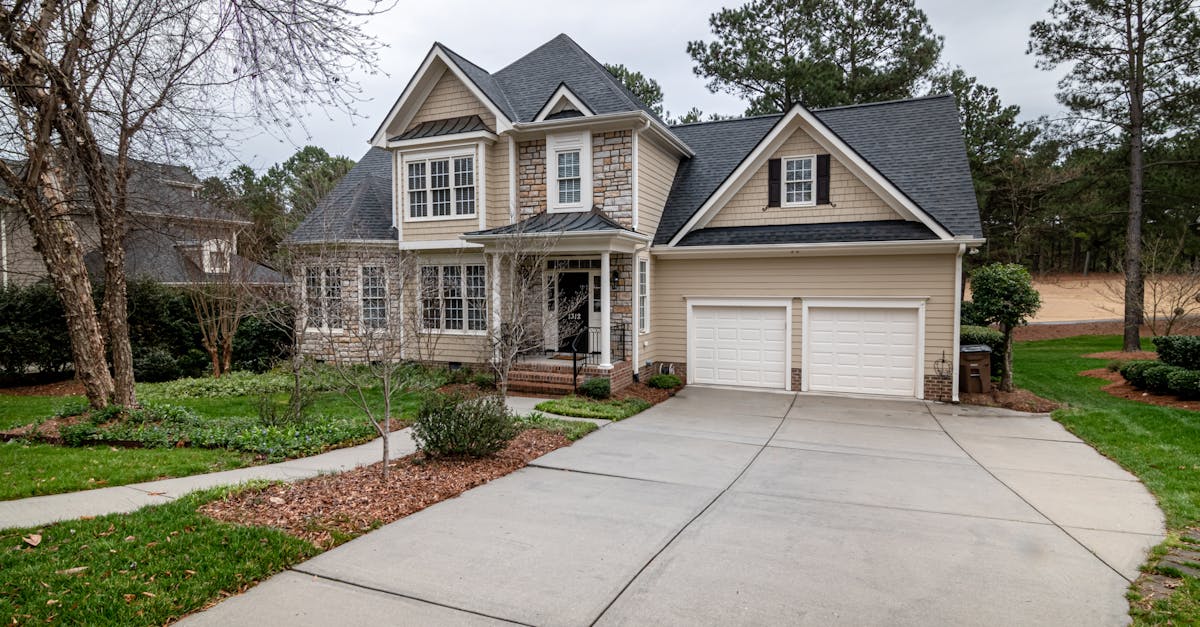
Concrete driveway replacement is a comprehensive solution that addresses both surface damage and underlying structural problems. While it requires a higher upfront investment, replacement delivers the longest lifespan and the highest level of performance—especially important for Canadian properties exposed to extreme seasonal changes.
Replacing a concrete driveway means completely removing the existing slab and constructing a new one from the ground up. A professional replacement typically includes:
According to the Canadian Concrete Masonry Producers Association, proper sub-base preparation alone can increase concrete lifespan by more than 30%.
Some damage simply cannot be repaired at the surface level. Replacement is usually the best option if you notice:
In these situations, resurfacing would only mask the problem temporarily.
Although more intensive, driveway replacement offers clear long-term advantages:
For homeowners planning to stay long-term, replacement often proves more cost-effective over the life of the property.
| Factor | Resurfacing | Replacement |
|---|---|---|
| Average Cost | Lower upfront | Higher initial investment |
| Project Duration | 1–2 days | Several days to a week |
| Lifespan | 8–15 years | 30–40 years |
| Structural Improvement | No | Yes |
Resurfacing improves appearance and short-term usability, but replacement restores full structural integrity. In climates with severe winters, replacement often outperforms resurfacing over the long term.
Resurfacing minimizes disruption and requires light maintenance, while replacement involves more construction activity but reduces long-term maintenance needs.
Canada’s freeze-thaw cycles are one of the most aggressive stressors on concrete. Water expansion within cracks can exert pressures exceeding 25,000 psi, according to engineering studies—enough to break down weak concrete over time.
Professionally manufactured concrete—especially precast solutions—offers controlled curing, consistent strength, and improved durability. These factors are critical for resisting weather-related damage.
DIY resurfacing kits often fail due to inadequate surface preparation and improper material selection. These failures can lead to peeling overlays and trapped moisture.
Omega2000 specializes in precast concrete manufacturing using modern equipment and proven quality-control processes. Our products are engineered for strength, consistency, and long-term durability across Canada’s diverse climate zones.
With a professional team and nationwide reach, Omega2000 delivers reliable concrete solutions for homeowners, contractors, and commercial projects—on time and to specification.
Typically 8–15 years, depending on climate and maintenance.
No. Structural cracks usually require full replacement.
Initially yes, but it often costs less over the driveway’s full lifespan.
Yes, but replacement provides greater long-term value.
If cracks widen, slabs move, or drainage issues appear, professional assessment is essential.
Choosing between resurfacing and replacement depends on structural condition, climate exposure, and long-term goals. While resurfacing can restore appearance and function, replacement delivers unmatched durability and peace of mind.
If you’re unsure which solution is right for your property, consulting experienced concrete professionals can prevent costly mistakes.
For expert guidance, high-quality precast concrete solutions, and professional support anywhere in Canada, contact Omega2000 today. Our team is ready to help you build concrete solutions designed to last.