
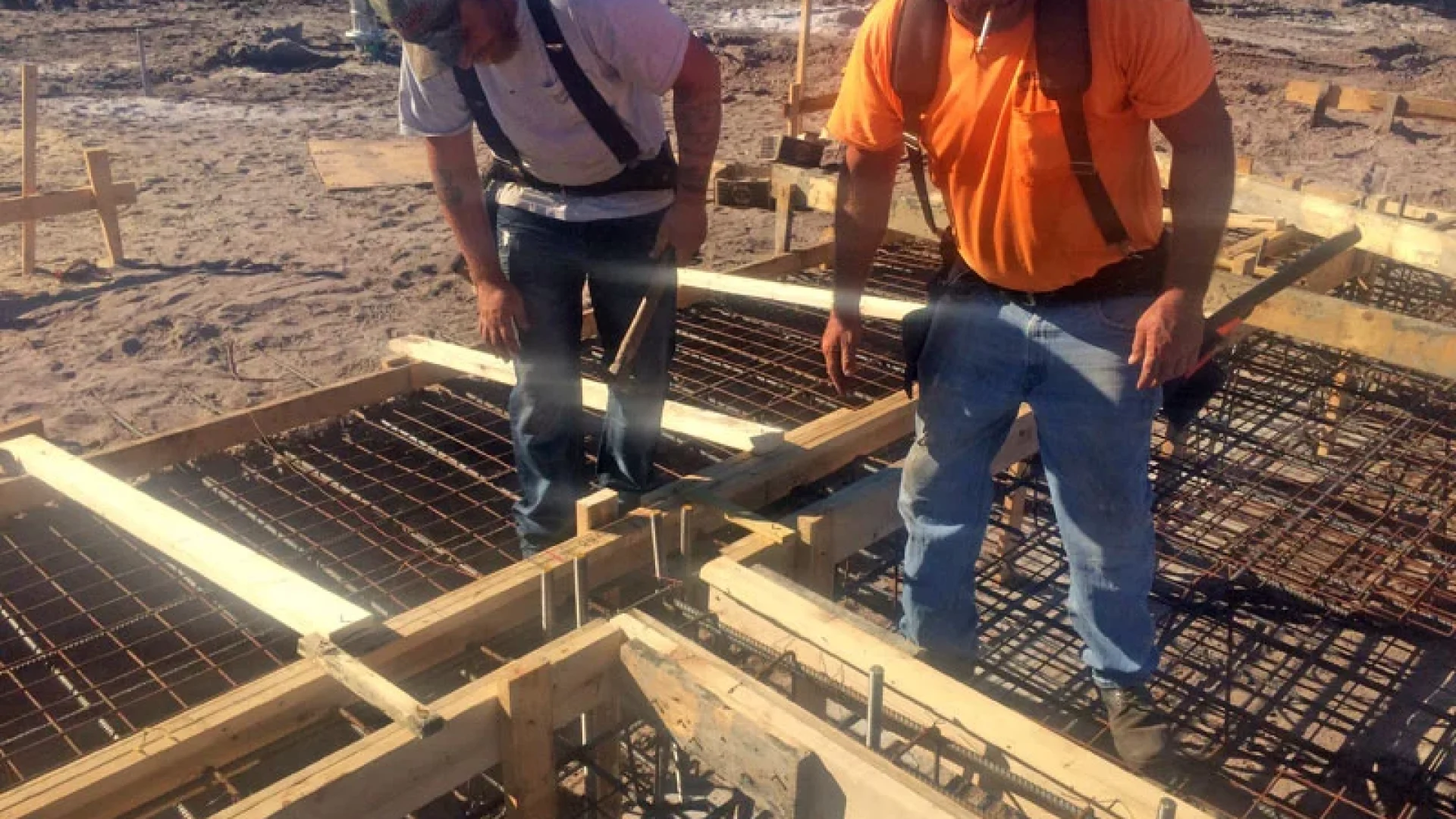
Concrete work is one of the biggest investments most homeowners and property owners will make. Whether it’s a new driveway, foundation, patio, or walkway, the expectation is simple: it should last. Yet one of the most misunderstood parts of hiring a concrete contractor is the warranty or guarantee that comes with the work. Many people assume a warranty means “nothing will ever go wrong.” In reality, concrete warranties are more nuanced—especially in Calgary’s challenging climate.
This guide breaks down concrete contractor warranties and guarantees in plain language. You’ll learn what they really cover, what they don’t, how long they should last, and how to protect yourself before signing a contract. If you’re planning a concrete project, understanding these details can save you thousands of dollars and a lot of frustration down the road.
What Is a Concrete Contractor Warranty?
A concrete contractor warranty is a written promise that certain aspects of the work will meet defined standards for a specific period of time. It exists to protect homeowners from poor workmanship—not from the natural behavior of concrete or environmental forces beyond the contractor’s control.
Warranty vs. Guarantee: What’s the Difference?
Although the terms are often used interchangeably, they are not the same.
- Warranty: A legally defined commitment outlining what is covered, for how long, and under what conditions.
- Guarantee: Often a marketing term that may or may not be backed by a written, enforceable agreement.
A reputable concrete contractor will always provide warranty details in writing. Verbal guarantees or vague promises like “we stand behind our work” may sound reassuring, but they offer little protection if an issue arises later.
Why Concrete Warranties Exist
Concrete is a durable building material, but it is not indestructible. Warranties exist to balance responsibility between contractor and owner by addressing issues related to installation quality. They also set realistic expectations about concrete’s behavior over time.
According to industry data from the Canadian Standards Association (CSA), most concrete defects related to workmanship become visible within the first 12 to 24 months. That’s why many standard warranties focus on this early period, when installation-related problems are most likely to appear.
Types of Concrete Warranties You’ll Encounter
Not all concrete warranties are the same. Understanding the different types helps you compare contractors accurately and avoid false assumptions.
Workmanship Warranty
A workmanship warranty covers how the concrete was installed. This is the most important warranty a contractor can offer because it reflects their skill, processes, and quality control.
Typical workmanship coverage includes:
- Improper finishing that leads to surface scaling or flaking
- Excessive cracking caused by poor reinforcement or curing
- Drainage problems resulting from incorrect grading
In Alberta, workmanship warranties commonly range from one to three years. Contractors with long-standing reputations often back their work confidently because they know issues related to workmanship usually appear early.
Material Warranty
Material warranties relate to the concrete itself—cement, aggregates, fibers, and admixtures. These warranties are typically provided by material suppliers, not the contractor.
It’s important to understand that contractors cannot control manufacturing defects in raw materials. For this reason, material warranties are usually limited and may require laboratory testing to validate a claim.
Structural Warranty
Structural warranties apply mainly to load-bearing concrete such as foundations, retaining walls, and structural slabs. These warranties often involve engineers and may extend longer than standard workmanship warranties.
For residential projects, structural warranties are usually tied to building code compliance rather than cosmetic performance. For commercial projects, they may involve engineered design specifications and third-party inspections.
Product-Specific Warranties
Certain concrete applications come with additional considerations:
- Stamped concrete: May include limited coverage for surface defects but not color variation.
- Exposed aggregate: Often excludes surface texture changes due to wear.
- Snow melting systems: Mechanical components may have separate manufacturer warranties.
Understanding these distinctions is critical when comparing quotes for decorative or specialty concrete work.
In cold climates like Calgary, durability starts with the right mix design. Homeowners should understand why it’s critical to select air-entrained concrete for exterior flatwork, as this significantly improves resistance to freeze-thaw damage and long-term surface scaling.
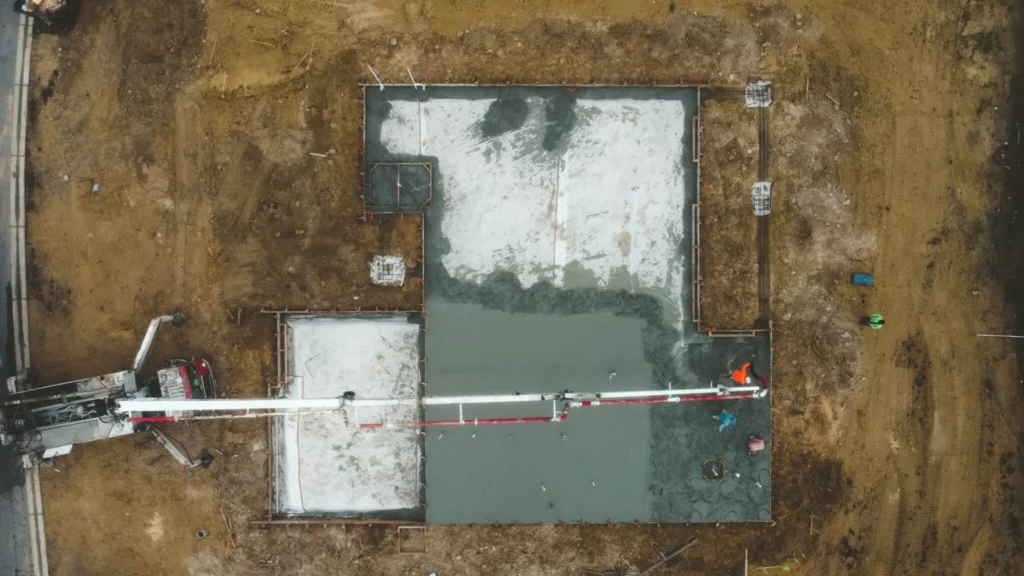
What Concrete Warranties Usually Cover
Concrete warranties are designed to address problems caused by improper installation—not every change or imperfection that may appear over time.
Covered Issues
Most reputable concrete contractor warranties will cover:
- Structural or surface failure caused by improper mix design
- Delamination or scaling due to incorrect finishing techniques
- Major cracking linked to insufficient reinforcement
- Drainage failures resulting directly from poor grading
For example, if a newly poured driveway develops widespread surface scaling within its first winter due to improper finishing, this would typically fall under a workmanship warranty.
Coverage Timeframes
Warranty timelines exist for a reason. Most installation-related defects show up within the first year, especially after the concrete experiences its first freeze-thaw cycle.
In Calgary, contractors often recommend inspections after the first winter. This timing allows both parties to identify issues early, when repairs are most effective and least disruptive.
Vague “lifetime guarantees,” missing written terms, or reluctance to explain exclusions are serious concrete contractor red flags. A reputable contractor will clearly outline coverage, limitations, and claim procedures before you sign any agreement.
What Concrete Warranties Do NOT Cover
Understanding exclusions is just as important as understanding coverage. Many disputes arise not because a contractor failed, but because expectations were unrealistic.
Natural Concrete Behavior
Concrete naturally changes as it cures and ages. Most warranties exclude:
- Hairline shrinkage cracks
- Minor surface blemishes
- Color variation and mottling
- Efflorescence (white mineral deposits)
These characteristics do not affect structural performance and are considered normal in the concrete industry.
Environmental Factors
Calgary’s climate is tough on concrete. Freeze-thaw cycles, de-icing salts, and extreme temperature swings all accelerate wear. For this reason, most warranties exclude damage caused by:
- Improper use of de-icing chemicals
- Extreme weather events
- Soil movement unrelated to installation
Owner-Caused Damage
Homeowners play a role in concrete longevity. Actions that commonly void warranties include:
- Failing to seal decorative concrete as recommended
- Allowing heavy vehicles on residential slabs
- Altering landscaping or drainage after installation
A professional contractor will explain these responsibilities clearly and provide maintenance guidance to help protect your investment.
Up next: In the second half of this guide, we’ll explore how Calgary’s climate affects warranties, how long coverage should realistically last, how to read warranty fine print, real-world warranty scenarios, and what sets experienced contractors like Omega 2000 apart when it comes to standing behind their work.
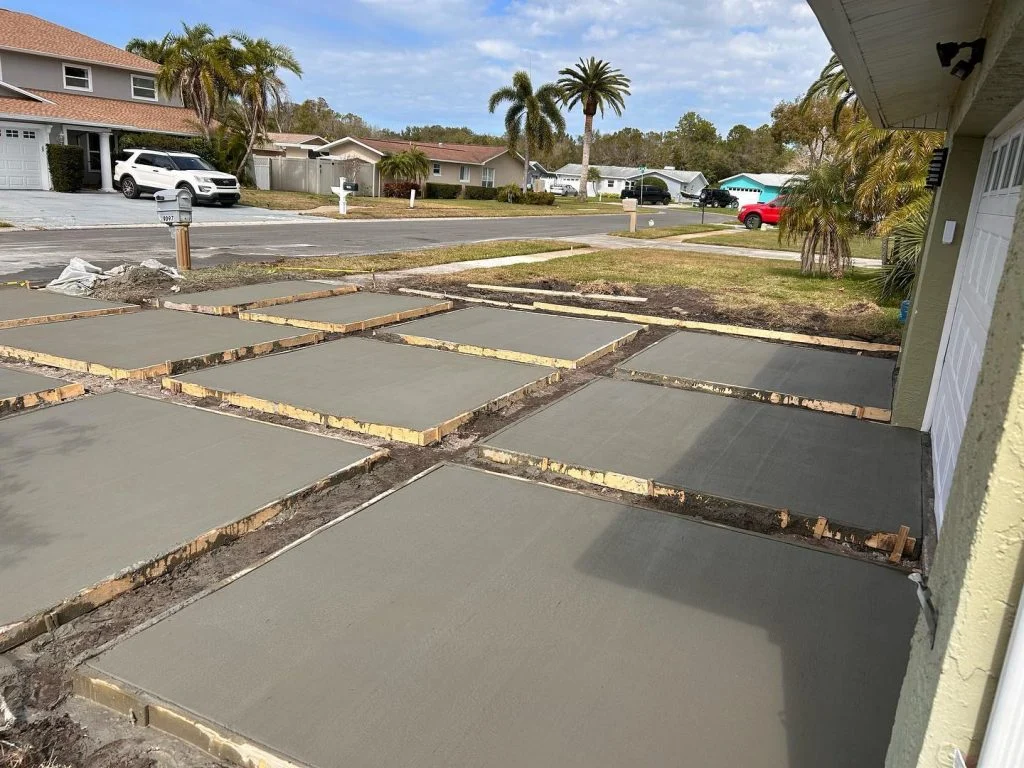
Calgary Climate and Its Impact on Concrete Warranties
Concrete performance in Calgary is heavily influenced by climate. With frequent freeze-thaw cycles, temperature swings of 30°C or more, and long winters, even well-installed concrete is under constant stress. This is why local experience matters when it comes to warranties.
Freeze-Thaw Cycles and Surface Wear
When moisture enters concrete and freezes, it expands. Repeated freezing and thawing can cause surface scaling or flaking if the concrete was not properly air-entrained, cured, or finished. Most warranties account for this by excluding damage caused by excessive moisture exposure or improper winter maintenance.
According to industry studies, freeze-thaw damage is one of the leading causes of premature concrete deterioration in cold climates. This is why contractors often emphasize proper drainage, curing, and sealing—these steps reduce risk but cannot eliminate environmental forces entirely.
Soil Conditions in Calgary
Much of Calgary sits on expansive clay soils, which swell when wet and shrink when dry. Soil movement can lead to minor settlement or cracking that is not related to workmanship. Because contractors cannot control subsurface conditions long-term, most warranties exclude movement caused by soil expansion or erosion.
How Long Should a Concrete Warranty Last?
Warranty length should align with realistic expectations—not marketing claims. Longer is not always better if the coverage is vague or filled with exclusions.
Typical Warranty Timeframes in Alberta
- Workmanship warranties: 1–3 years
- Structural warranties: Often tied to code compliance or engineered design
- Decorative concrete: Usually shorter and more limited
Most workmanship-related issues show up within the first year. A contractor who has been operating successfully for decades understands this and structures warranties accordingly.
Red Flags to Watch For
Be cautious of:
- “Lifetime” warranties with no written terms
- Warranties that don’t define covered defects
- No clear process for filing a claim
A strong warranty is specific, transparent, and realistic.
How to Read a Concrete Warranty Properly
Before signing a contract, take time to review the warranty section carefully. This document defines your protection.
Key Sections to Look For
- Scope of work covered
- Duration of coverage
- Exclusions and limitations
- Required maintenance by the owner
- Claim and inspection procedures
Questions to Ask Your Contractor
- What documentation is required if an issue arises?
- Who determines whether a defect is covered?
- Are repairs or replacements the contractor’s choice?
Clear answers to these questions signal professionalism and accountability.
Concrete Warranties vs Insurance and Bonding
Warranties are often confused with insurance or bonding, but they serve different purposes.
Warranty vs Insurance
A warranty addresses performance and workmanship. Insurance protects against accidents, property damage, or injuries during construction. One does not replace the other.
The Role of Bonding
Bonding provides financial protection if a contractor fails to complete the work as agreed. While not directly tied to warranties, bonding adds another layer of security and professionalism.
Research from the National Ready Mixed Concrete Association explains how proper air entrainment significantly improves freeze-thaw durability in cold climates.
Real-World Warranty Scenarios
Driveway Cracking After One Winter
If cracking is excessive and linked to poor reinforcement or curing, it may be covered. Hairline shrinkage cracks, however, are normal and typically excluded.
Foundation Settlement
Settlement caused by soil movement is usually excluded. Structural defects caused by improper formwork or reinforcement may be covered, often with engineering involvement.
Decorative Concrete Surface Failure
If a stamped concrete patio begins scaling due to improper finishing, it may fall under warranty. If the surface deteriorates due to lack of sealing or salt use, it likely will not.
What Sets a Reputable Concrete Contractor Apart
Strong warranties are built on strong practices. Experienced contractors focus on prevention first.
Transparent Documentation
Clear, written warranties eliminate confusion and build trust.
Proven Track Record
Longevity matters. Contractors who have operated through multiple market cycles are more likely to stand behind their work.
Ongoing Support
Post-project inspections, maintenance advice, and clear communication demonstrate long-term commitment to quality.
Why Omega 2000’s Warranty Approach Is Different
With over 35 years of experience as a full-service concrete contractor in Calgary, we understands local conditions, soil behavior, and climate-specific challenges. Our warranty philosophy is simple: do the work right the first time, set clear expectations, and stand behind proven craftsmanship.
By focusing on proper mix design, reinforcement, curing, and drainage, we minimize issues before they happen. When questions arise, clients receive straightforward answers—not fine print surprises.
Frequently Asked Questions About Concrete Warranties
Does concrete always crack?
Yes. Concrete is strong in compression but weak in tension. Small, hairline cracks are normal and do not indicate failure.
Are hairline cracks covered under warranty?
Generally no. They are considered a normal characteristic of concrete.
Can I void my concrete warranty?
Yes. Improper maintenance, use of harsh de-icing salts, or exceeding design loads can void coverage.
How do I file a warranty claim?
Most contractors require written notice, photos, and an on-site inspection within the warranty period.
Is stamped concrete covered differently?
Often yes. Decorative finishes typically have more exclusions related to color, wear, and maintenance.
Final Thoughts: Protecting Your Concrete Investment
Concrete warranties are not about perfection—they are about accountability. Understanding what is covered, what is excluded, and why allows you to make informed decisions and avoid costly misunderstandings.
If you’re planning a concrete project and want clear expectations, proven experience, and workmanship you can trust, speak with a contractor who values transparency as much as quality.
Ready to start your project? Contact Omega 2000 to discuss your concrete needs, warranty questions, and long-term performance goals with a team that has been building Calgary for decades.